Planning an underground mining or tunneling project requires equipment that balances brute power with compact maneuverability. If you need to upgrade your extraction rates, optimize operational uptime, or source fully compatible machinery packages, Aivyter engineers are ready to assist. Request a technical consultation and quote today to build a high-performance equipment package tailored to your exact drift dimensions.
1. Overcoming Efficiency Bottlenecks in Underground Mining and Tunneling
Subsurface excavation presents extreme engineering challenges. Confined drifts, abrasive dust, and poor natural ventilation make hard-rock mining a demanding environment. Operators continually struggle with slow penetration rates in granitic and basaltic rock formations.
High energy consumption remains another pressing issue. Diesel and electric power costs escalate rapidly when surface compressors feed air through miles of leaky subterranean piping. At the same time, misaligned equipment creates severe cycle-time delays between drilling, blasting, and ground support phases.
True operational efficiency does not come from treating a drill rig machine underground as an isolated tool. High advance rates depend on the seamless interaction between the carrier, the rock drill, and the compressed air supply. When air pressure drops at the face, penetration rates stall and drilling consumables wear out prematurely.
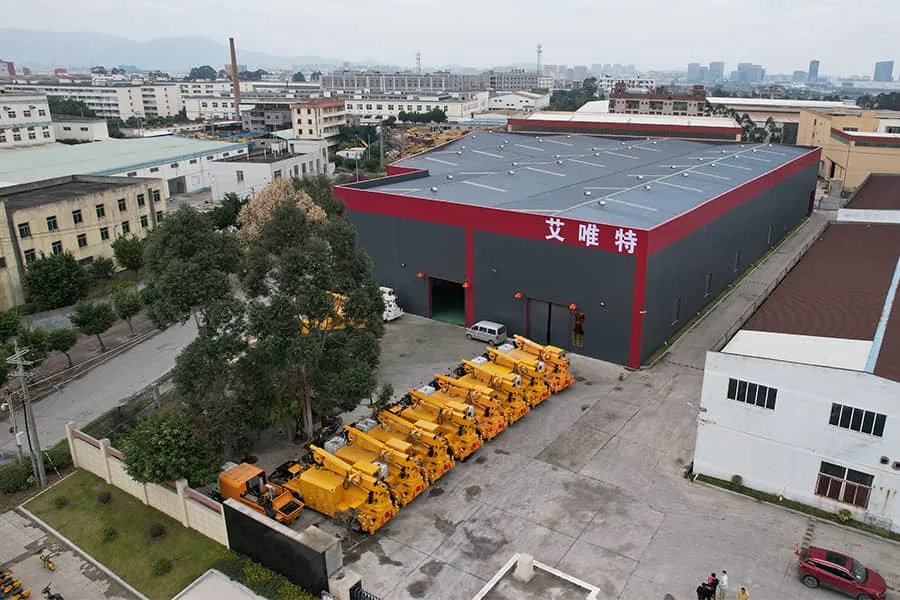
Aivyter addresses this operational bottleneck directly. Manufacturing heavy industrial equipment since 2009 from a specialized 10,000+ m² facility, Aivyter is one of the few global manufacturers that builds both advanced hydraulic drilling jumbos and heavy-duty screw compressors under one roof. This dual manufacturing capability eliminates integration gaps between the drill rig machine underground and its power source.
2. Why High-Pressure Air Compressors Are the Heart of Underground Drilling
Hydraulic fluid powers the drifter’s percussive impact and rotary motors, but high-pressure compressed air dictates actual cycle efficiency. Without sufficient air volume and pressure delivered directly to the rock face, drilling productivity drops sharply.
Flushing and Cuttings Evacuation
As the drill bit pulverizes rock, cuttings must leave the hole instantly. High-pressure air forces these rock chips out along the drill steel flutes. If flushing air pressure drops below design limits, cuttings collect behind the bit, causing regrinding, severe thermal stress, and stuck drill steels.
Clean flushing protects your drill bits and drill steels from premature wear. Supplying dry, pressurized air at stable volumes keeps the drill bit cutting virgin rock with every percussive blow, directly increasing penetration speed.
Pneumatic Auxiliary Systems and Tooling
A typical underground setup relies on compressed air for more than hole flushing. Compressed air drives down-the-hole (DTH) hammer assemblies, feeds pneumatic lubrication pumps, cleans shank adapters, and powers pneumatic utility tools inside the drift.
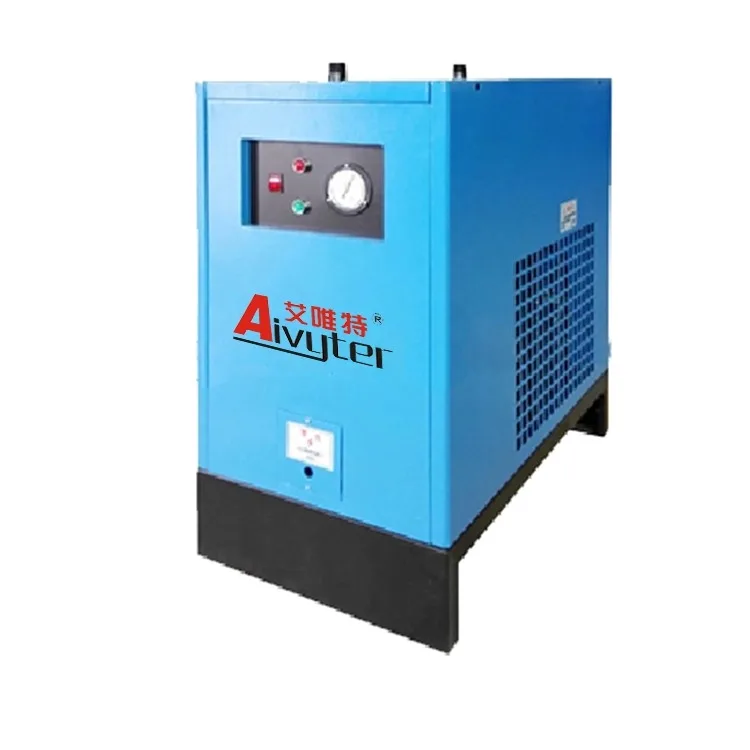
Air quality and line pressure must comply with standard industrial benchmarks, such as ISO 8573-1:2010 for compressed air contaminants and purity classes. Dry, clean, high-pressure air prevents internal valve gumming and rust inside sensitive drifter components.
Minimizing Energy Consumption via Native Coupling
Mismatched compressors cause significant line drop and thermal overload. When an undersized compressor runs continuously at full load, it generates excessive heat, consumes surplus diesel or electricity, and delivers inadequate terminal pressure.
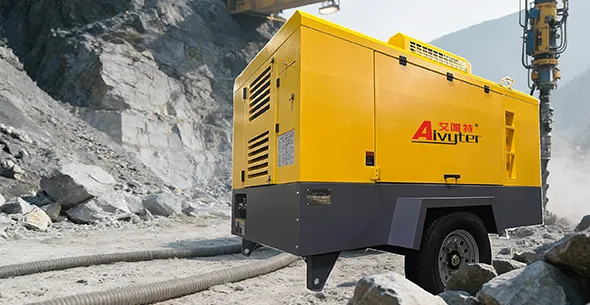
By pairing a high-pressure screw air compressor directly with the hydraulic circuit of a drill rig machine underground, operators maintain stable operating pressures between 15 and 25 bar. Direct matching cuts diesel fuel consumption, reduces overall power draw, and stabilizes drill face cycles.
3. Aivyter Underground Intelligent Drill Rig Portfolio: Tailored Cross-Sections
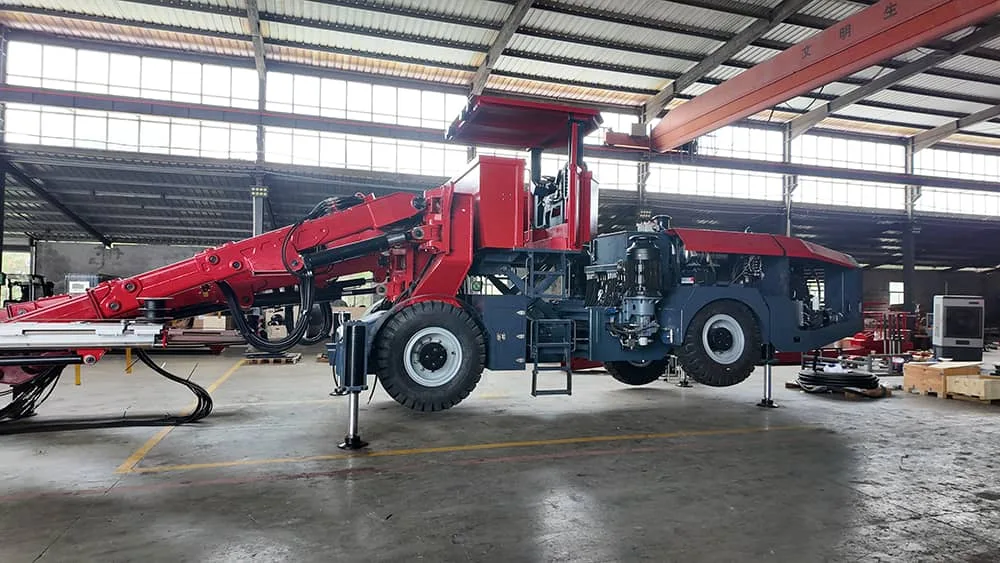
Underground mines and civil engineering projects demand different chassis sizes, boom coverage, and engine configurations. Aivyter supplies an extensive fleet of specialized rigs configured for distinct cross-sectional areas.
Small to Medium Drift Sections: AZT-125 & AZK-125B
Narrow-vein mining and small development drifts require agile machinery capable of negotiating tight turns while delivering high percussion power.
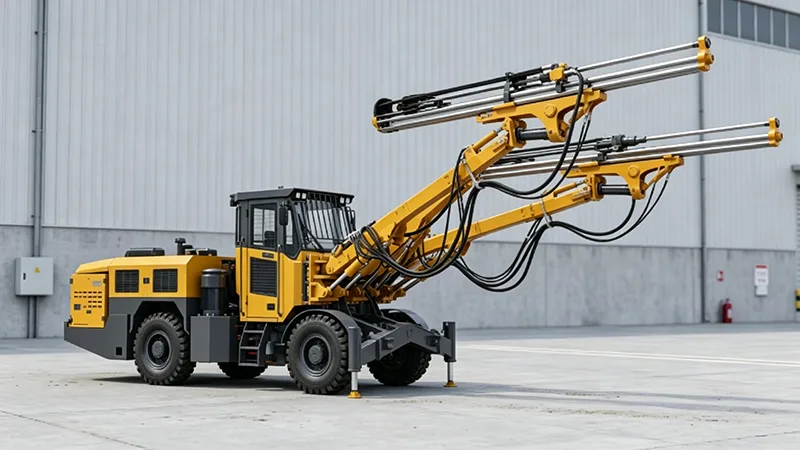
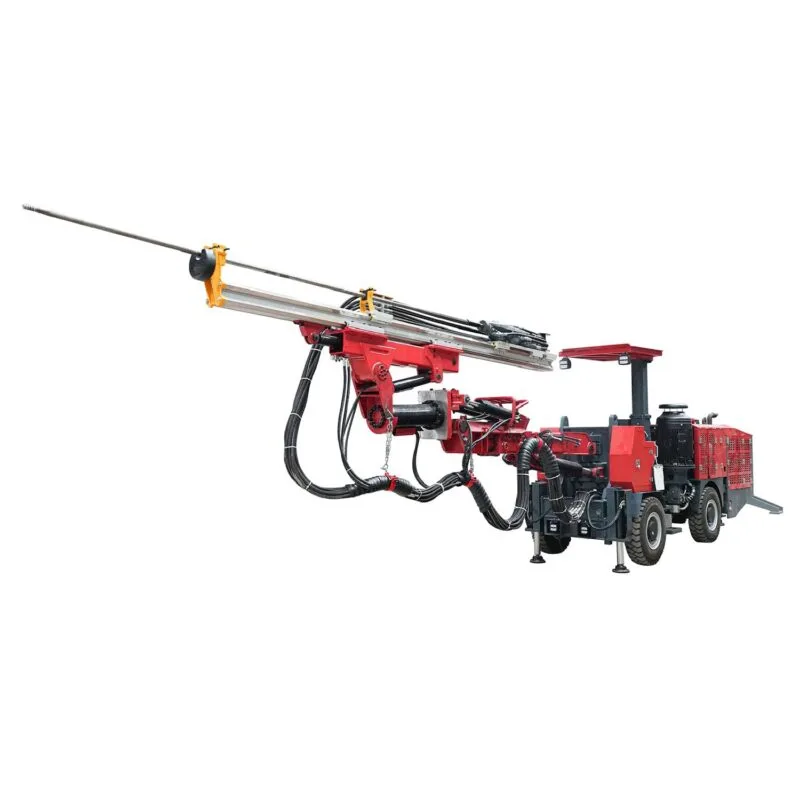
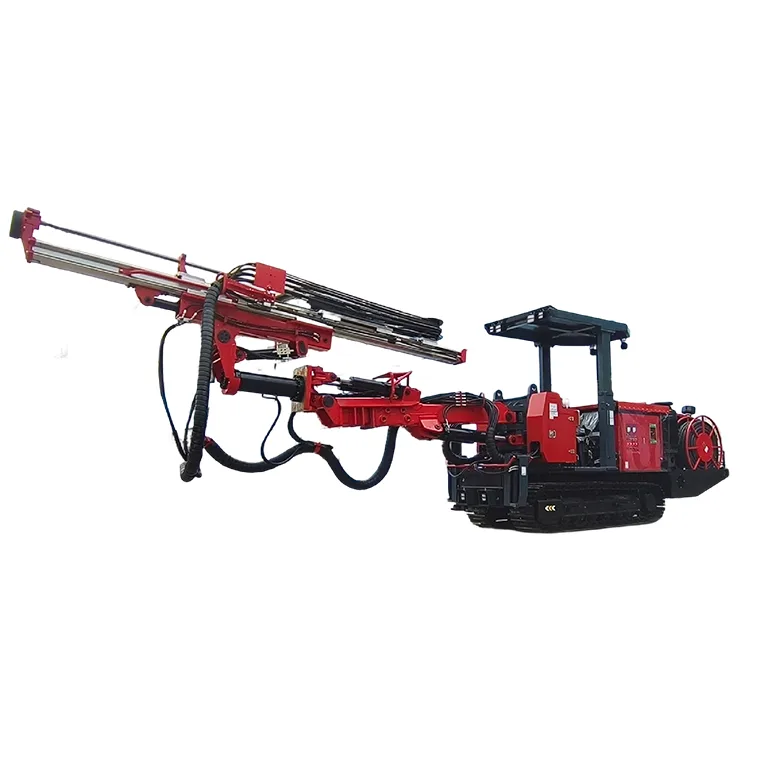
- AZT-125 Drilling Jumbo: Features an operating coverage area of 24 m² and suits drift sections from 22 to 54 m². It handles blast hole and bolt hole diameters from 45 to 115 mm. Powered by an emissions-compliant Yuchai 55.8 kW (Tier 4 / China IV) diesel engine, it utilizes hydrostatic four-wheel drive to navigate steep ramps and muddy ground easily.
- AZK-125B Drilling Jumbo: Provides a wider coverage area of 30 m² for drilling diameters between 45 and 102 mm. Built on an ultra-compact articulated chassis, the AZK-125B operates reliably in confined production stopes and rapid-access declines.
Large Tunnels and Heavy Mining Excavation: AZT1-6500 & AZT2-9700
Civil infrastructure tunnels, rail corridors, and large-scale mining drifts require heavy-duty jumbos that maximize single-pass face coverage.
- AZT1-6500 Tunneling Jumbo: Engineered for mid-to-large headings, delivering a coverage window of 5 × 6.5 meters and matching tunnel cross-sections above 33 m². It drills holes from 43 to 102 mm. A turbocharged water-cooled diesel engine powers the carrier, while heavy-duty hydraulic stabilizer legs secure the platform for production drilling and radial rock bolting.
- AZT2-9700 Heavy-Duty Dual-Boom Jumbo: Designed for continuous production drilling in major mining headings and transport tunnels. Dual heavy-duty booms deliver penetration rates of 0.8 to 2.0 meters per minute under a maximum hydraulic impact pressure of 230 bar. Supported by a 129 kW turbocharged engine, the AZT2-9700 drills holes from 45 to 76 mm across massive faces, drastically shortening drill-and-blast cycles.
4. Building the Integrated System: Jumbos and High-Pressure Screw Compressors
Field data collected by organizations like the Society for Mining, Metallurgy & Exploration (SME) shows that equipment compatibility issues cause a major share of underground mechanical downtime. Mismatched fittings, incompatible flow rates, and separate control panels complicate maintenance and increase human error.
Aivyter eliminates these issues through synchronized mechanical engineering. Because Aivyter designs and builds both the drill rig machine underground and high-pressure screw air compressors, every fluid connection, electronic interface, and pressure relief circuit is matched at the factory.
A complete excavation cycle involves three linked steps:
- Precision Drilling: The rock drilling jumbo drives parallel blast holes and perimeter contour holes with millimeter accuracy.
- Continuous Power Delivery: The matched screw compressor supplies uninterrupted, clean, high-pressure air directly to the drill string to evacuate rock chips immediately.
- Ground Stabilization: Following detonation and mucking, specialized robotic shotcrete manipulators apply concrete linings over rock bolts installed by the same jumbo platform.
The Aivyter engineering approach treats all three phases as parts of a unified mechanical ecosystem, keeping drilling jumbos, air delivery lines, and support sprayers working in close coordination.
The internal setup inside modern mining rigs relies on well-established technical concepts found in heavy-duty drilling jumbo designs, such as anti-jamming automation, proportional hydraulic controls, and balanced multi-stage filtration units.
5. Why Global Contractors and Mining Houses Choose Aivyter
Sourcing capital equipment for subterranean development demands proof of durability, build quality, and reliable after-sales field support. Aivyter provides reliable machinery backed by clear manufacturing advantages:
- Advanced Manufacturing Base: Operating from a modern production facility spanning over 10,000 m², Aivyter manages precision CNC machining, structural welding, hydraulic assembly, and rigorous testing lines entirely in-house.
- Custom OEM and ODM Solutions: Drifts vary by geological formation, altitude, and mine plan. Aivyter customizes boom lengths, carrier chassis widths, electrical voltages (380V, 660V, 1000V+), and diesel scrubbers to meet site-specific safety mandates.
- International Quality Compliance: Every production drill rig machine underground carries full CE, TUV, SGS, and ISO certifications, meeting demanding environmental and mechanical safety codes across international jurisdictions.
- Worldwide Field Support: With an independent export infrastructure and a global network of qualified distributors, Aivyter supplies rapid-dispatch spare parts, technical field training, and emergency maintenance support directly to remote mine sites worldwide.
Frequently Asked Questions (FAQ)
Q1: What air pressure is required for hole flushing on an underground drill rig?
A1: Effective hole flushing in hard rock typically requires stable air pressures between 10 and 20 bar, depending on hole depth and diameter. Insufficient pressure leaves cuttings in the hole, leading to jammed drill steels and premature bit wear.
Q2: Can Aivyter drill rigs operate on electric power inside the drift?
A2: Yes. Aivyter drilling jumbos utilize dual-power systems. The rig uses an emissions-compliant diesel engine for tramming and positioning between faces, then connects directly to the underground mine electrical grid (380V to 1140V) to run the hydraulic pumps during drilling, eliminating diesel exhaust at the face.
Q3: What drill hole diameters do Aivyter underground jumbos cover?
A3: The equipment lineup covers hole diameters from 43 mm up to 115 mm. Models like the AZT-125 drill from 45 to 115 mm, while high-speed dual-boom units like the AZT2-9700 focus on blast hole ranges between 45 and 76 mm.
Q4: How does integrated compressor manufacturing improve drill rig reliability?
A4: Sourcing both systems from Aivyter prevents pressure mismatches and flow restrictions. Native compressor coupling ensures proper heat dissipation, synchronized pressure controls, and balanced electrical draw, cutting unexpected downtime by up to 25%.
Q5: What maintenance intervals apply to high-pressure underground screw compressors?
A5: Routine maintenance involves changing air and oil filters every 500 operating hours, while oil-separator elements and synthetic compressor fluids typically require replacement every 2,000 to 3,000 hours, depending on subterranean dust conditions.
6. Optimize Your Underground Drilling Performance
Drilling speed, operator safety, and low operational costs depend on choosing the right machinery package. Operating a mismatched drill rig machine underground with an inefficient surface compressor wastes energy and cuts into project margins.
Aivyter brings heavy-duty drilling jumbos and high-pressure screw air compressors together into high-efficiency packages built for demanding rock conditions. Contact the Aivyter engineering team today to review your drift specifications, examine 3D coverage charts, and receive a competitive commercial proposal.
about
Aivyter
We provides trusted air compressors and mining equipment, engineered for durability, efficiency, and demanding industrial applications.