Subsurface excavation, civil tunneling, and underground mining require a deep understanding of geological conditions and mechanical excavation methods. Selecting and operating the appropriate mechanical systems represents a major operational decision for engineering firms. At the center of these operations is the choice of specialized drill equipment, which directly governs excavation speed, structural safety, and overall project timelines.
To achieve high structural integrity and operational efficiency, engineers must evaluate the physics of rock penetration, fluid dynamics of flushing, and structural configuration of modern drilling machinery. This analysis outlines the mechanical principles, common operational issues, and systematic procurement parameters necessary for modern drilling projects.
1. Mechanical Principles of Subsurface Rock Penetration
Rock fragmentation by mechanical means depends heavily on transferring energy from an engine or hydraulic power pack directly into the rock matrix. This process involves precise engineering coordination of several forces: impact, rotation, feed force, and flushing.
Percussive Energy Transfer
In percussive drilling, an internal piston strikes a shank adapter at high frequencies, creating a kinetic shockwave. This stress wave travels down the drill steel to the carbide button bit, exceeding the compressive strength of the rock to form fractures. High-efficiency systems rely on optimal piston geometry to match the acoustic impedance of the drill steel, ensuring maximum energy transmission with minimal wave reflection, which can wear out components prematurely.
Rotary Torque and Speed
While the percussive blow fractures the geological material, rotation ensures that the button bit strikes a fresh area of rock with each impact. Rotary speed must be configured alongside impact frequency. Insufficient rotation causes the buttons to strike previously pulverized rock, leading to energy loss and high thermal stress. Excessive rotation speeds, however, cause rapid abrasive wear on the outer gauge buttons of the bit.
Feed Force and Positioning
Maintaining constant contact between the bit face and the rock face requires a controlled feed force. Under-feeding causes the drill string to bounce, generating tensile stresses that damage threads and couplings. Over-feeding causes excessive rotation resistance, bending of the drill steel, and deviation of the borehole. Modern hydraulic systems utilize automated damping valves to regulate feed pressure dynamically based on the encountered rock resistance.
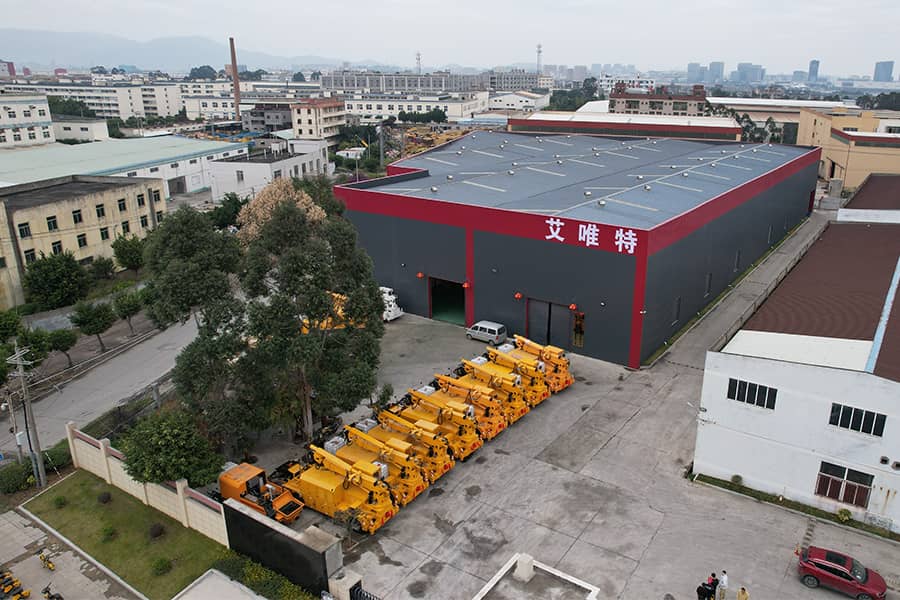
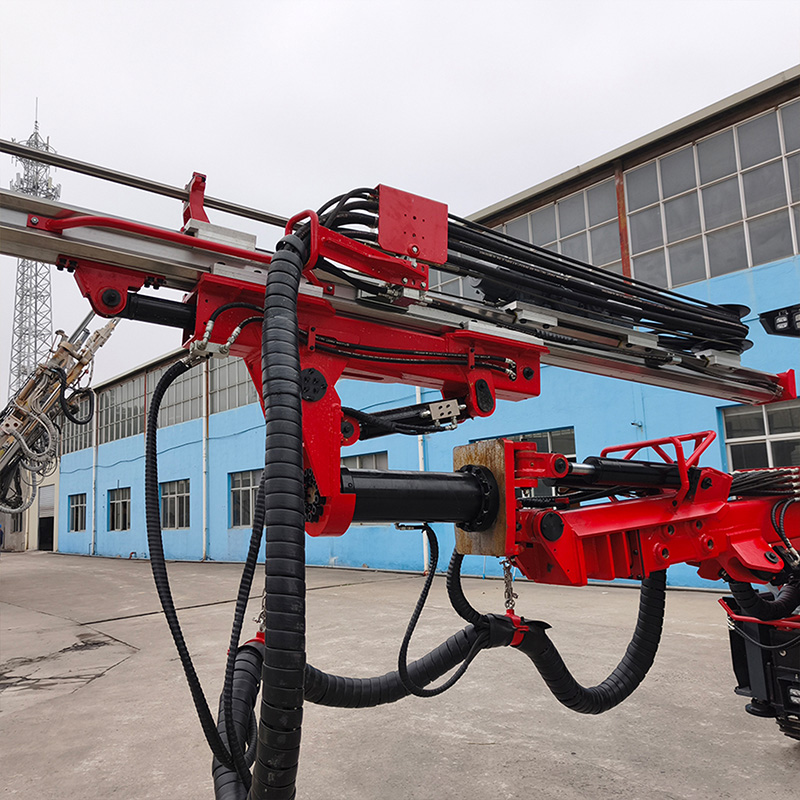
To meet these precise mechanical needs, manufacturers like Aivyter design robust hydraulic drifting systems that coordinate impact and feed pressures automatically, minimizing operator error and preserving structural component integrity during continuous excavation cycles.
2. Key Applications Across Heavy Industries
Modern excavation projects use distinct drilling configurations tailored to the geological structural index and spatial limitations of the work site.
Underground Mining and Drifting
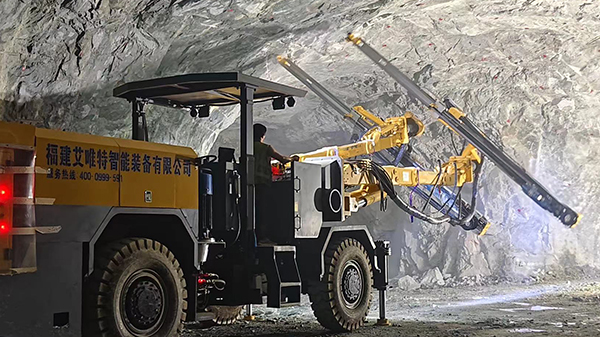
In underground mining, excavation relies heavily on horizontal development (drifting) and production drilling. Operators utilize specialized drill equipment to create blast holes in precise patterns. These holes are subsequently loaded with explosives to break the rock face. The precision of these patterns is vital; any deviation leads to poor fragmentation, excessive bootlegs, or overbreak, which increases the volume of waste rock to be hauled and processed.
Civil Tunneling and Infrastructure
Civil engineering projects, such as railway tunnels, subway shafts, and hydro-power conduits, demand high precision and structural safety. Unlike mining, where some overbreak might be tolerated, civil tunneling requires strict compliance with design profiles. Heavy hydraulic drifting machines allow engineers to drill neat profiles for excavation and subsequent rock bolt installation, which stabilizes the tunnel crown and walls prior to shotcreting.
The following table summarizes typical drilling parameters across different geological formations:
| Geological Formation | Unconfined Compressive Strength (UCS) | Typical Drilling Method | Flushing Medium Requirements |
|---|---|---|---|
| Soft Sedimentary (Shale, Sandstone) | 50 – 100 MPa | Rotary / Light Percussive | Low-pressure water, high volume flow |
| Medium Igneous/Metamorphic (Schist, Andesite) | 100 – 180 MPa | Medium-Frequency Percussive | Standard water flushing with sediment additives |
| Hard Silica-Rich (Granite, Quartzite) | > 180 MPa | High-Frequency Heavy Percussive | High-pressure water flushing, optimized nozzle velocity |
3. Common Operational Bottlenecks and Engineered Solutions
Subsurface drilling projects face constant physical and mechanical challenges that can slow progress if not addressed systematically.
Borehole Deviation
Borehole deviation occurs when a drill string drifts from its planned alignment. This is often caused by geological anomalies like faults, joints, or alternating hard and soft rock layers. It can also stem from bent drill rods or incorrect feed alignment. When holes drift, the explosive energy during blasting is unevenly distributed, resulting in poor fragmentation and safety issues during subsequent mucking operations.
- Solution: Implementing rigid guide sleeves, heavy-duty male/female (MF) drill steels, and automated boom parallel-holding systems. Computer-assisted guidance systems monitor the pitch and roll of the feed slide, adjusting hydraulic cylinders to preserve alignment throughout the drilling cycle.
Premature Tool Wear and Degradation
The interface between the carbide button bit and the rock experiences extreme temperatures and friction. Silica-rich formations are highly abrasive, leading to flat spots on carbide buttons, which reduces penetration rates and increases stress on the hydraulic drifter.
- Solution: Deploying precise water-flushing configurations to cool the bit head and choosing appropriate carbide grades. Regular, scheduled grinding of the buttons restores their spherical or semi-ballistic profile, ensuring energy is concentrated correctly to fracture rock rather than heating the tool.
Flushing Inefficiencies and Stuck Steel
When drilling deep holes, the cuttings must be removed from the hole immediately. If the flushing volume or velocity is insufficient, rock chips settle behind the drill bit. This causes the drill string to bind, leading to stuck steel, lost tools, and downtime.
- Solution: Integrating dual-flushing systems that use pressurized water alongside compressed air to purge heavy cuttings. Equipment manufactured by Aivyter features robust flushing pumps that deliver high flow rates directly through the center of the drill steel to clear the bit face during operation.
4. Innovations in Automated Drifting
The development of modern drill equipment focuses on mechanization and digital integration to improve precision and reduce manual labor in hazardous underground environments.
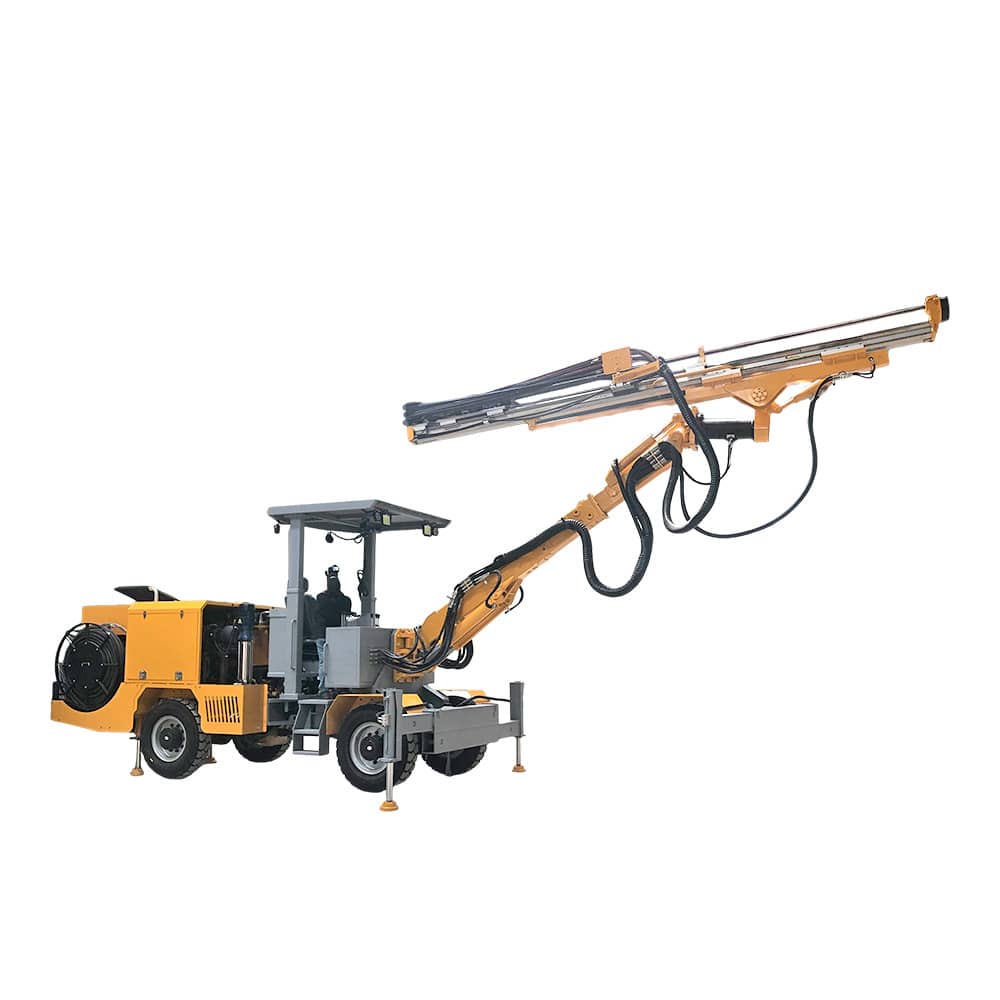
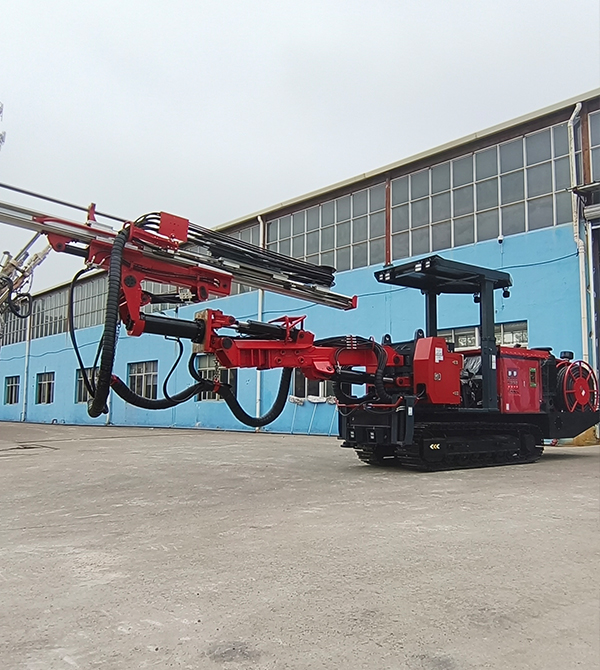
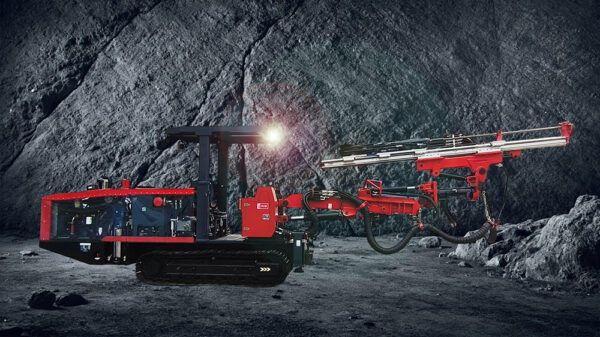
Modern drifting rigs utilize multi-boom configurations equipped with automated positioning systems. These booms use angle sensors, length transducers, and onboard computers to position the feed guide according to pre-loaded drilling patterns. The operator monitors the process from a protective canopy or remote control cabin, reducing exposure to dust, noise, and potential rockfalls.
Furthermore, anti-jamming automation has become standard in high-end hydraulic control units. When the system detects a sudden spike in rotation pressure—indicating the bit has entered fractured ground or mud seams—the control valve reverses the feed pressure and increases the flushing flow. Once the obstruction is cleared, the system automatically resumes the pre-set drilling parameters.
5. Procurement Parameters for Heavy Projects
Selecting the correct machinery is a critical planning decision. Purchasing departments and project managers should base their selection on several operational criteria:
Chassis and Carrier Selection
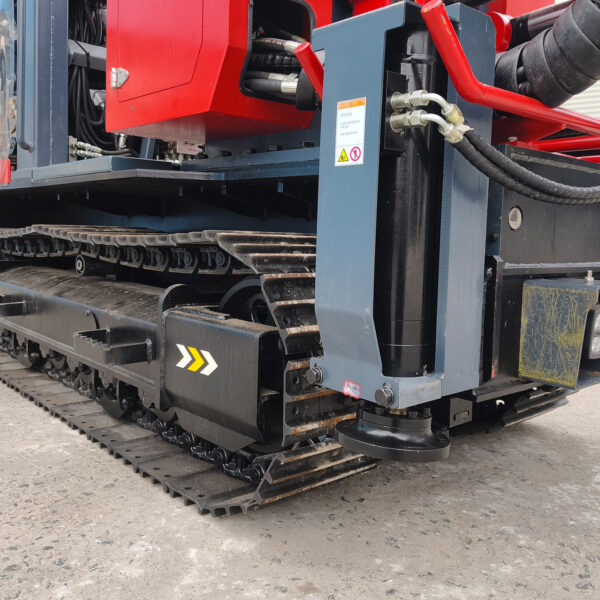
The carrier must match the dimensions of the underground workings. For narrow drifts, compact articulated chassis are necessary to navigate tight turns. For large civil tunnels, wide-track, heavy-duty multi-boom carriers provide the stability needed to support extended feeds and heavy hydraulic drifters.
Drifter Power Output Match
The hydraulic drifter (rock drill) must match the target borehole diameter and rock hardness. Using an underpowered drifter in hard granite leads to low penetration rates and rapid tool wear, while an overpowered drifter in soft, fractured ground can destroy the drill steel and cause hole collapse.
Compatibility with Consumables
Procuring drill equipment that accepts standard thread configurations (such as R32, T38, T45, or T51) ensures a reliable supply of drill rods, shank adapters, and button bits from various industrial suppliers, reducing logistical delays.
By partnering with established engineering manufacturers, operations can secure customized machinery that matches specific underground dimensions and geological profiles. For instance, Aivyter provides specialized configurations designed for challenging rock structures, ensuring projects maintain consistent advance rates.
6. Technical Inquiry and Consultation
Optimizing subsurface drilling performance requires matching machinery specifications with the precise geology of the work site. Standard equipment configurations may not deliver the necessary efficiency in highly fractured or high-silica rock formations. Engineering teams should seek customized solutions based on structural index data and operational parameters.
If your project demands high-precision drilling, heavy-duty structural reliability, and automated control systems, please contact our engineering department. Our team can analyze your geological reports, shaft dimensions, and production targets to recommend tailored drill equipment designed to keep your operations on schedule.
Frequently Asked Questions
Q1: What is the main difference between top-hammer and DTH drilling?
A1: In top-hammer drilling, the percussive piston strikes the shank adapter at the rear of the drill string, and the shockwave travels through the rods to the bit. This method is highly efficient for shallow to medium-depth holes (up to 15-20 meters). In Down-The-Hole (DTH) drilling, the hammer is located directly behind the drill bit, meaning the impact energy does not travel through the drill rods, making it suitable for deep, straight-hole applications in hard rock.
Q2: How does rock hardness (UCS) affect the selection of drill bits?
A2: Formations with a high Unconfined Compressive Strength (UCS) require dense, low-profile button configurations, typically utilizing spherical carbide buttons that resist high impact forces. Softer, less abrasive rock formations are better suited for ballistic or semi-ballistic buttons with wider spacing, which provide deeper penetration and faster chip removal.
Q3: Why is feed force regulation so important in hydraulic rock drills?
A3: Correct feed force ensures constant contact between the bit and the rock. Under-feeding leads to high tensile stress on the drill threads and energy loss through vibration. Over-feeding causes rotational resistance, drill string bending, borehole deviation, and accelerated wear on the guides and sliding pads of the feed system.
Q4: What causes a drill bit to glaze, and how can it be resolved?
A4: Glazing occurs when drilling highly abrasive, hard rock with insufficient feed pressure or incorrect rotational speed, causing the carbide buttons to polish smooth rather than fracture the rock. This can be resolved by dressing the bit with a grinding cup to restore the original cutting profile and adjusting the feed-to-rotation ratio.
Q5: How do modern automated anti-jamming systems function?
A5: Anti-jamming systems monitor rotation torque and hydraulic pressure. If the bit encounters clay joints or collapsing ground, the rotation pressure spikes. The system automatically detects this change and instantly reverses the feed direction while increasing flushing pressure to clear the borehole, preventing stuck drill steels and associated downtime.
about
Aivyter
We provides trusted air compressors and mining equipment, engineered for durability, efficiency, and demanding industrial applications.