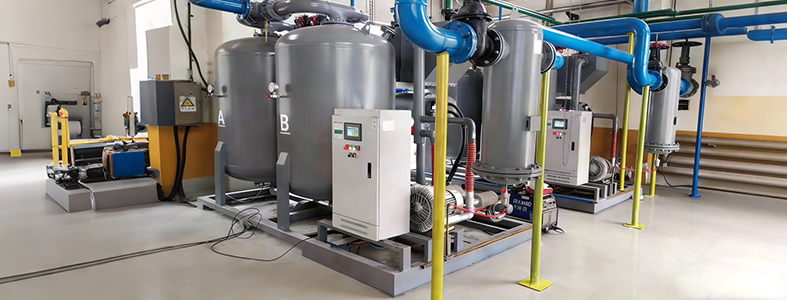
In mining, tunnel boring, and large-scale civil engineering, the rotary screw compressor operates under sustained high loads, abrasive dust, and extreme ambient temperatures. Performance and uptime directly depend on the integrity of each internal component. Selecting and maintaining the right screw compressor parts is not a routine task; it is a strategic engineering decision. This guide provides an in-depth analysis of core components, failure patterns specific to rugged environments, and practical solutions to maximize service life.
Core Components of Screw Compressor Systems
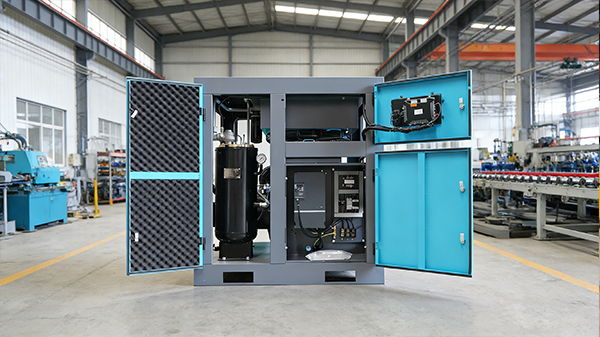
A screw compressor transforms mechanical energy into compressed air or gas via two meshing helical rotors. The precision and durability of its sub‑systems dictate overall efficiency. Below is a breakdown of essential assemblies and their operational demands.
Airend: Rotor Profiles and Housing Geometry
The airend is the heart of the compressor. Male and female rotors with optimized lobe profiles manage internal leakage and discharge pressure. In mining operations, where compressors run 24/7, rotor surface coatings (e.g., PTFE or MoS₂) reduce friction and prevent galling. The housing’s bore tolerance (typically 0.02–0.05 mm) must remain stable under thermal cycling. Any wear in the rotor journals or housing bores leads to volumetric efficiency drop. Replacing worn rotors or reconditioning housings requires matching genuine screw compressor parts to maintain original clearances.
Bearing Systems – Thrust and Radial Load Management
Screw compressors use a combination of cylindrical roller bearings and angular contact ball bearings. Thrust bearings handle axial forces from pressure differentials; radial bearings maintain rotor alignment. In abrasive environments, bearing cages and raceways suffer micropitting. Vibration analysis (ISO 10816‑3) helps detect early raceway damage. For high-dust sites, sealed or magnetic oil‑cleaning add‑ons reduce particle ingress. Bearing replacement intervals shorten under severe duty—every 8,000–12,000 hours is typical for mining, versus 20,000 hours for clean industrial settings.
Shaft Seals and Gaskets – Leakage Elimination
Lip seals, mechanical seals, or labyrinth seals prevent oil migration along the rotor shaft. In underground construction, high humidity and temperature swings cause elastomer seals to harden or swell. Material selection matters: FKM (Viton) resists high heat and sulfur‑containing gases found in some mining environments; HNBR offers better abrasion resistance. A failed shaft seal leads to oil carryover into the discharge line, fouling downstream air tools. Regular seal inspection (every 1,500 operating hours) is a low‑cost safeguard.
Critical Support Parts: Filtration, Separation, and Lubrication Control
Beyond the airend, auxiliary components determine contamination control and thermal stability. Their interaction with screw compressor parts directly influences oil degradation rates and discharge purity.
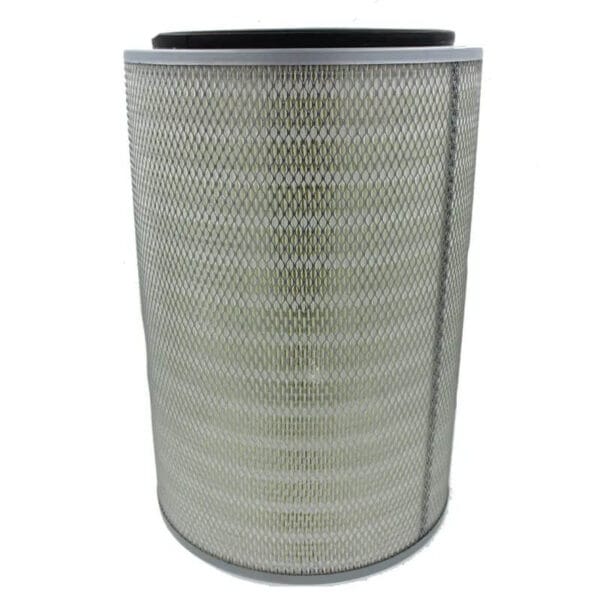
Air Intake Filters – First Line of Defense
Heavy‑duty pleated cellulose or synthetic media filters (efficiency MERV 14–16) capture silica dust and coal fines. In open‑pit mining, filter life can drop to 200–300 hours. Using a radial seal or safety inner filter prevents dust bypass during element change. Differential pressure transducers alert operators when restriction exceeds 45 mbar. Many sites install cyclonic pre‑cleaners ahead of the main filter to extend service intervals.
Oil Separator Elements – Maintaining Discharge Quality
Oil‑flooded screw compressors rely on coalescing separator elements to reduce oil carryover below 3–5 ppm. After thousands of hours, the microglass or borosilicate layers become loaded with varnish and carbon fines (common when discharge temperatures exceed 95°C). High residual oil carryover increases lubricant consumption and can clog aftercoolers. Proper selection of differential pressure‑monitored separators and adherence to replacement intervals (typically 2,000–4,000 hours) are mandatory for reliable operation.
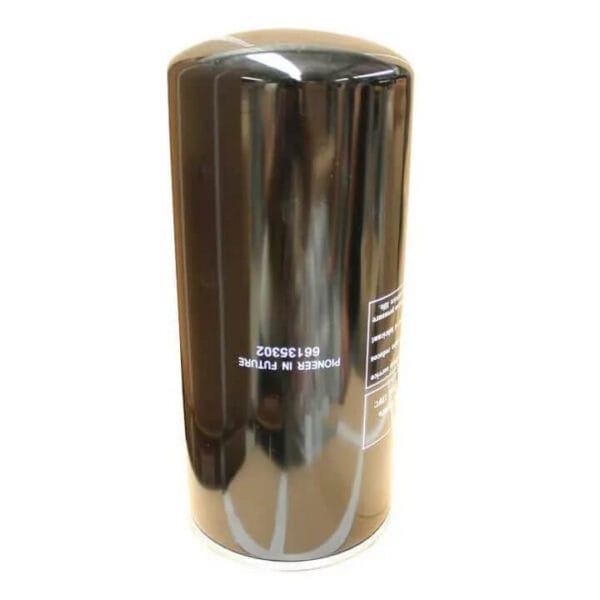
Oil Filters and Thermostatic Valves
Full‑flow oil filters with βx(c) ≥ 200 remove particles ≥10 µm. In construction environments, premature bypass valve opening allows unfiltered oil to circulate, accelerating bearing wear. Thermostatic mixing valves regulate oil temperature to avoid condensation inside the sump. Sticking thermostatic elements cause either overcooling (water emulsion) or overheating (oil oxidation). Periodic functional testing of these valves is part of a robust maintenance schedule.
Industry‑Specific Challenges: Mining & Civil Engineering
Operators in these sectors face constraints rarely seen in manufacturing plants. The following factors directly affect the lifespan of screw compressor parts:
- High airborne particulate concentration: Silica, coal, or limestone dust accelerates air filter clogging and erodes rotor housing coatings.
- Extreme temperature fluctuations: Underground mines can range from 5°C to 45°C; surface construction in deserts exceeds 50°C. This causes thermal expansion mismatches between aluminum housings and steel rotors.
- Voltage sags and frequency variations: Mobile compressors powered by generators experience inconsistent power quality, affecting motor speed and oil circulation rates.
- Limited service accessibility: Remote locations demand that every spare part deliver maximum mean time between failures (MTBF).
To address these, forward‑looking maintenance teams adopt condition‑based monitoring: vibration analysis, oil sampling (ISO 4406 cleanliness code), and thermography. Combining these methods with high‑grade screw compressor parts significantly reduces unplanned downtime.
Failure Analysis and Performance Optimization
Understanding failure modes enables targeted part replacement before a catastrophic breakdown occurs.
Common Failure Patterns
- Rotor seizing: Typically from oil starvation due to a clogged suction strainer or failed oil pump. Root cause analysis must examine bearing clearances and lubrication flow path.
- High discharge temperature alarm (>110°C): Usually traced to a malfunctioning cooler fan, scaled oil cooler, or low oil level. Also inspect the minimum pressure valve (MPV) for proper opening.
- Excessive oil consumption: Indicates a torn separator gasket, worn shaft seal, or cracked oil return line. Pressure drop across the separator element should be recorded daily.
- Metal particle contamination in oil: Discovered by ferrography or magnet plugs. Likely sources are bearing spalling or rotor contact. Immediate part replacement is required.
Proactive Replacement Strategies
Operators should establish a parts inventory based on criticality and lead time. High‑wear items – air filters, oil filters, gaskets, and seal kits – should be stocked at site. For remote mines, a recommended spare parts list includes a complete airend rebuild kit (bearings, seals, rotor screws). Using certified components from specialized suppliers ensures dimensional conformity. Aivyter provides technical datasheets and material certifications for each component, supporting E‑E‑A‑T standards.
Quality Assurance and Selection of Screw Compressor Parts
The secondary market for compressor spares varies widely in quality. To maximize reliability, procurement teams should verify:
- Material traceability (e.g., bearing steel grade SAE 52100, seal elastomer batch number)
- Geometric tolerances measured on CMM equipment
- Pressure ratings matching or exceeding OEM specifications
- Valid ISO 9001:2015 manufacturing processes
Aivyter specializes in supplying high‑precision screw compressor parts engineered for harsh industrial applications. Their product range includes airend bearings, shaft seals, separator elements, filter kits, and valve rebuild kits – all tested for dimensional stability under thermal load. For critical mining projects, Aivyter also offers cross‑reference support to match existing OEM part numbers without guesswork.
Frequently Asked Questions (FAQ)
Q1: How often should I replace screw compressor parts in a mining environment compared to a standard factory setting?
A1: For mining or heavy construction, replacement intervals are typically 40–60% shorter than in clean industrial environments. Air filters may need replacement every 300–500 hours versus 1,000 hours; oil separator elements should be changed every 1,500–2,000 hours; bearings in the airend often require overhaul at 10,000–12,000 hours. Always base decisions on oil analysis and differential pressure readings rather than fixed calendar schedules.
Q2: What are the most common signs that a shaft seal or gasket has failed?
A2: Visible oil puddles under the compressor, oil‑soaked dust buildup around the drive coupling, higher than normal oil consumption (over 15 ppm residual oil in discharge air), and increasing vibration from oil imbalance. Also monitor the sight glass for oil foam, which suggests air ingress through a damaged seal.
Q3: Can I use aftermarket screw compressor parts from specialized suppliers like Aivyter without voiding my compressor warranty?
A3: In many jurisdictions (e.g., EU, US), using quality‑certified aftermarket parts does not void warranty unless the part directly caused the failure. Aivyter provides documentation that its components meet or exceed original specifications. However, always review your OEM warranty terms and keep installation records.
Q4: How do I identify the correct screw compressor parts when the original labels are unreadable?
A4: Use a combination of measurements: rotor outer diameter (OD) and length, bearing identification numbers (usually etched on the race), seal dimensions (shaft OD and housing bore), and filter thread size. You can also reference the compressor model and serial number, then compare with technical drawings. Suppliers like Aivyter offer reverse‑engineering services based on sample parts.
Q5: What immediate actions should I take if the compressor suddenly shuts down due to high discharge temperature?
A5: Do not restart immediately. Isolate the power and allow the unit to cool for 30 minutes. Then check: oil level (top up if low), oil cooler fin blockage, fan operation, and the thermostatic bypass valve position. Inspect the oil filter for clogging. If the oil has a burnt smell or dark color, perform a full oil and filter change before restart. After restart, monitor temperature ramp rate; a second shutdown indicates internal damage (e.g., bearing failure).
Need Engineering Support or Reliable Screw Compressor Parts?
For site‑specific recommendations, cross‑reference assistance, or to request a quotation for bulk orders of screw compressor parts, contact the technical team at Aivyter. Provide your compressor make, model, operating hours, and environmental conditions to receive a tailored parts list.
Send your inquiry now: https://www.aivyter.com/contact – Response within 24 hours including datasheets and delivery lead times.
about
Aivyter
We provides trusted air compressors and mining equipment, engineered for durability, efficiency, and demanding industrial applications.