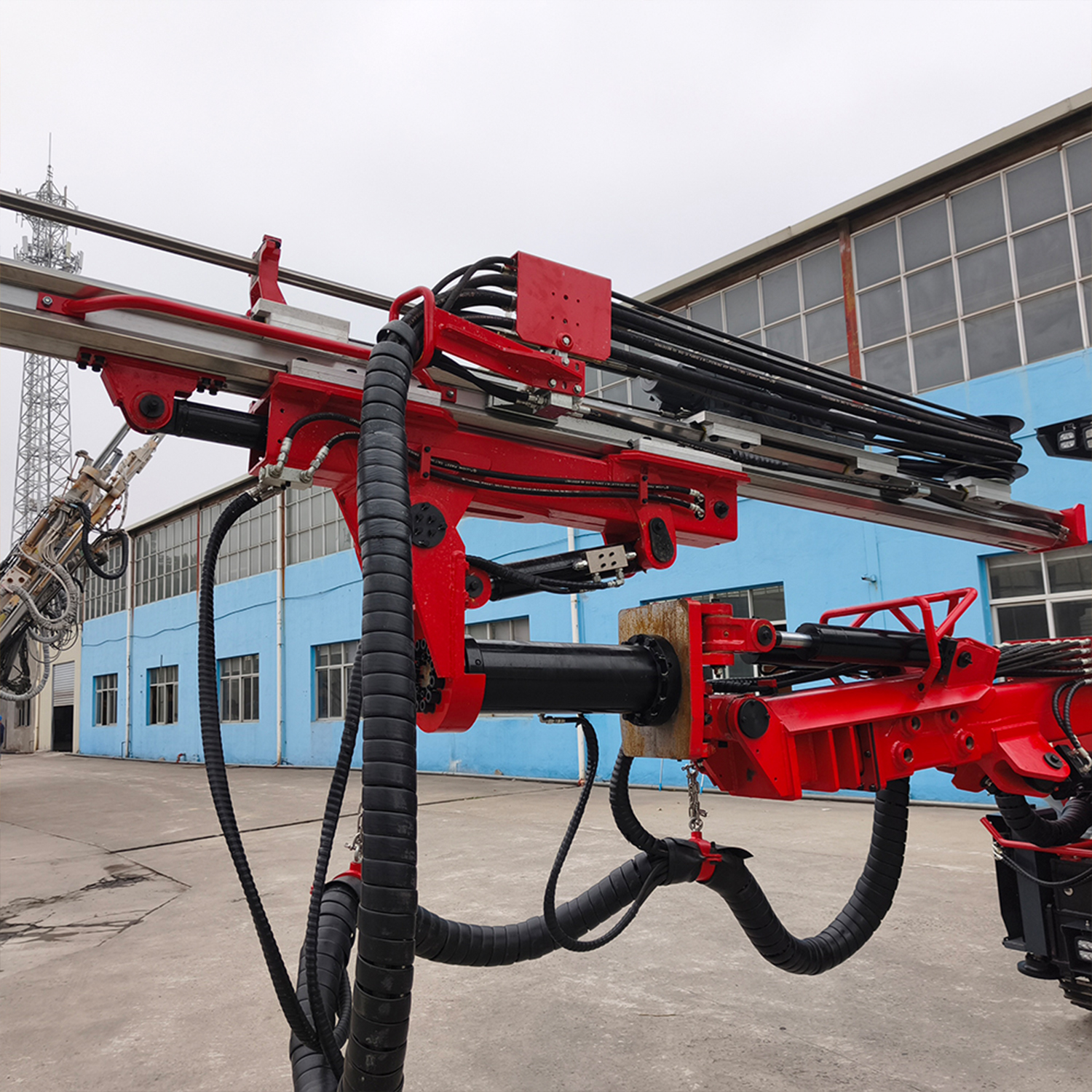
Compressed air is often classified as the fourth utility in heavy industries, powering everything from pneumatic actuators in manufacturing lines to massive rock drills in deep-level mining operations. Unlike standard commercial utility installations, industrial air compression demands continuous operation under highly challenging environmental conditions. Consequently, selecting a competent air compressor supplier represents a major capital and operational decision. A mismatched system design leads to premature mechanical wear, excessive power draw, and costly production stoppages.
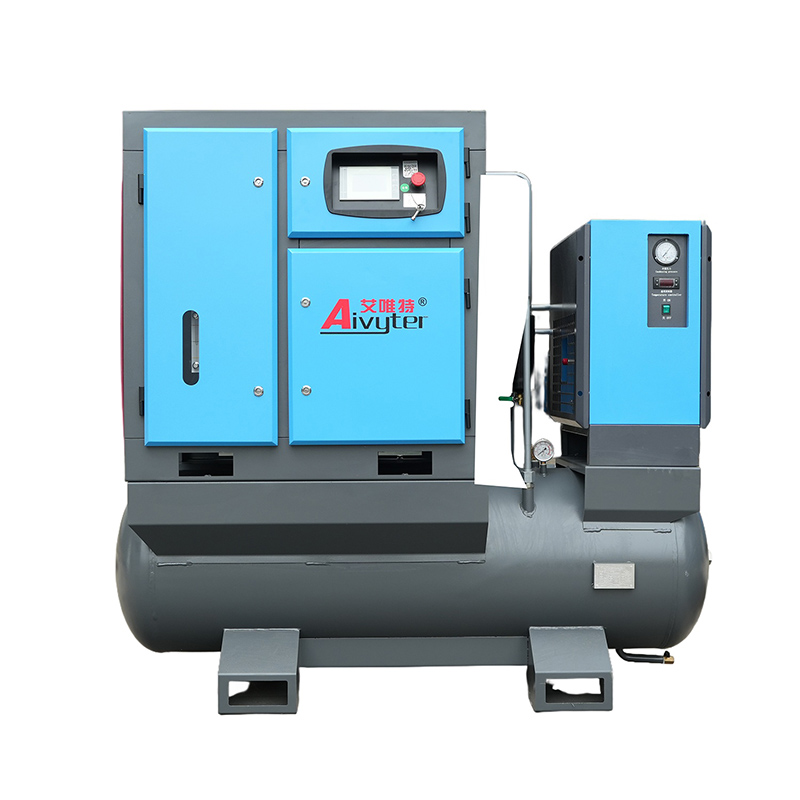
Industrial operations require highly customized pneumatic packages that balance pressure delivery, volumetric flow rate, and air purity standards. Aivyter provides engineered air compression systems designed to meet these exact industrial parameters. To secure long-term operational stability, procurement managers and plant engineers must evaluate potential partners based on mechanical reliability, specific energy consumption, and robust after-sales support systems.
Understanding Flow and Pressure Requirements in Industrial Compression
The foundation of any industrial compressed air system lies in the precise calculation of volumetric flow rate, measured in Cubic Feet per Minute (CFM) or cubic meters per minute (m³/min), and operating pressure, measured in Pounds per Square Inch (PSI) or Bar. Undersized systems cause pressure drops that disable downstream tools, while oversized units lead to excessive unloaded runtimes and high electrical waste.
A professional air compressor supplier analyzes the system demand profile rather than simply matching the motor horsepower of existing machinery. This involves examining the duty cycles of all connected pneumatic devices, predicting peak demand periods, and accounting for friction losses throughout the distribution piping network.
Rotary Screw versus Reciprocating Compressors
For large-scale operations, the distinction between compression technologies dictates long-term performance:
- Rotary Screw Compressors: Engineered for continuous duty applications (100% duty cycle). These units utilize asymmetric male and female rotors that mesh to compress air continuously without the pressure pulsations associated with piston designs. They are ideal for manufacturing plants, automated packaging lines, and continuous industrial processes.
- Reciprocating (Piston) Compressors: Designed for intermittent operations with lower duty cycles. While they handle high-pressure applications effectively, they require cool-down periods to prevent thermal overload, making them less suitable for continuous assembly line demands.
By understanding these mechanical differences, engineers can verify whether a prospective partner has the engineering capability to supply the exact configuration needed for their operational profile.
How a Specialized Air Compressor Supplier Addresses Industrial Environmental Factors
Industrial machinery must perform reliably in conditions that would cause standard commercial equipment to fail. Ambient temperatures, airborne contaminants, and relative humidity directly influence the density of intake air and the operational life of filtration components.
Mining and Tunneling Infrastructure
In underground and open-pit mining, air compressors run in environments filled with abrasive rock dust, high ambient heat, and heavy moisture. Under these conditions, standard air filters clog within hours, leading to vacuum restriction and elevated discharge temperatures. To counter this, a specialized air compressor supplier configures units with multi-stage heavy-duty intake filtration systems, high-efficiency oil separators, and IP55 or IP66-rated electrical enclosures to prevent dust ingress. Portable diesel-driven rotary screw compressors are frequently deployed in these sectors, requiring robust chassis designs and heavy-duty towing gear to navigate uneven terrain.
Heavy Manufacturing and Process Industries
In manufacturing environments, chemical vapors and ambient heat can degrade compressor lubricants, leading to varnishing on the rotors and subsequent mechanical seizing. Plant managers must ensure that their machinery utilizes high-viscosity synthetic lubricants engineered to withstand prolonged thermal stress. Additionally, integrating moisture separators and desiccant dryers is vital to prevent condensation inside the plant piping, which causes rust, scale, and premature tool failure.
Analyzing Energy Efficiency and Drive Mechanics
Energy consumption accounts for approximately 70% to 80% of the total lifecycle cost of an industrial air compressor. Therefore, small variations in specific energy consumption yield substantial differences in annual utility bills.
Fixed-Speed versus Variable Speed Drive (VSD) Systems
Fixed-speed compressors operate at a constant RPM, delivering a set volume of compressed air. When demand drops, the compressor unloads, running the motor without producing air, which still consumes around 30% of full-load power. Conversely, Variable Speed Drive (VSD) systems adjust the motor speed dynamically to match actual real-time air demand.
Implementing VSD technology eliminates the energy wasted during prolonged unloading periods and prevents high starting current spikes. Partnering with an experienced air compressor supplier ensures that the chosen equipment is engineered with high-efficiency frequency inverters and permanent magnet motors that maintain high torque even at low operational speeds.
Specific Energy Consumption (SEC) Benchmarks
When reviewing proposals, engineers must compare the Specific Energy Consumption (SEC) of different units, which measures the input power required to produce a specific volume of compressed air at a given pressure (kW/m³/min or kW/100 CFM). Asking for certified performance data verified by third-party standards ensures that the efficiency claims are grounded in verifiable mechanical testing. Aivyter engineers units with high-precision rotor profiles to minimize internal leakage paths, reducing the SEC across the entire operating range.
Selecting a Certified Air Compressor Supplier to Navigate Pressure Vessel Standards
Because compressed air systems store significant energy under high pressure, they are subject to stringent safety and pressure vessel design regulations. Failure to comply with these standards can result in regulatory fines, facility shutdowns, or catastrophic mechanical failures.
A reputable supplier must offer documentation proving compliance with international manufacturing standards, including:
- ASME Section VIII: The standard governing the design, fabrication, and testing of pressure vessels, particularly air receiver tanks, to ensure they withstand operating pressures without structural failure.
- CE / PED (Pressure Equipment Directive): Mandatory compliance for equipment operated within the European Economic Area, verifying adherence to rigorous safety design principles.
- ISO 8573-1 Air Quality Classes: Dictates the allowable level of oil, water, and particulate contamination in the compressed air stream. Industries such as electronics manufacturing or food processing require Class 0 oil-free air, whereas general manufacturing can operate with Class 1 or Class 2 filtration packages.
Working with a supplier that provides transparent material test reports and safety valve certifications protects the purchasing organization from liability and operational hazards.
Maintenance Protocols and Long-Term Part Availability
No matter how well-engineered an industrial compressor is, mechanical components degrade over time. Minimizing downtime requires a structured preventative maintenance schedule and immediate access to replacement parts.
A major risk in industrial procurement is purchasing equipment from a vendor that lacks a domestic parts warehouse or experienced service technicians. Routine consumables—such as micro-fiber air intake filters, coalescing oil separators, and high-performance synthetic lubricants—must be readily available to prevent extended maintenance shutdowns. Furthermore, modern industrial compressors should be equipped with intelligent PLC controllers that monitor operating metrics, such as discharge temperature, motor current, and differential pressure across filters. These systems provide early warnings before a minor deviation escalates into a complete system shutdown.
Structuring the Procurement and Inquiry Process
Sourcing an industrial air compressor system requires a thorough analysis of plant demands, piping configurations, and environmental factors. Rather than purchasing off-the-shelf equipment, procurement teams should draft a detailed Request for Quote (RFQ) that outlines specific flow rates, pressure levels, and environmental conditions.
Establishing a working partnership with a qualified air compressor supplier like Aivyter ensures that your facility receives a system engineered for durability, energy efficiency, and reliable long-term performance. We invite engineering managers and industrial procurement specialists to contact our application team to submit an inquiry, receive custom system drawings, and discuss tailored configurations designed to match your specific operational parameters.
Frequently Asked Questions regarding Industrial Compressed Air Systems
Q1: How does an air compressor supplier calculate system requirements for fluctuating load profiles?
A1: Suppliers use data logging equipment connected to your existing system to record air consumption over a minimum of seven days. This profile maps peak demand, average usage, and low-load periods. Based on this flow data, the supplier determines whether a single large variable speed drive unit, a combination of multiple smaller compressors, or a dedicated base-load and trim-load configuration will provide the most efficient power usage.
Q2: What is the significance of the pressure dew point (PDP) in compressed air drying systems?
A2: The pressure dew point is the temperature at which water vapor in the compressed air condenses into liquid water at the operating pressure. A typical refrigerated dryer achieves a PDP of 3°C to 5°C, which is suitable for standard indoor manufacturing. For outdoor applications exposed to freezing temperatures or industries requiring high air purity, a desiccant dryer is used to lower the PDP to -40°C or -70°C, ensuring no liquid water forms in the downstream piping.
Q3: Why is Specific Energy Consumption (SEC) a more reliable metric than motor horsepower?
A3: Motor horsepower (HP) only indicates the nominal electrical power rating of the motor, not the actual volume of air produced per unit of energy consumed. Specific Energy Consumption measures the input power required to deliver a specific volume of compressed air (such as kW per m³/min). This metric accounts for internal mechanical losses, rotor efficiency, and cooling fan consumption, allowing for an accurate comparison of actual energy performance between different models.
Q4: How do high ambient temperatures affect the efficiency of a rotary screw compressor?
A4: Warm air is less dense than cold air, meaning the compressor must work harder and draw more power to compress the same mass of air. Additionally, high ambient temperatures reduce the heat exchange efficiency of the oil coolers, leading to higher operating temperatures. If the discharge temperature exceeds 105°C to 110°C, the compressor’s thermal protection systems will trigger an automatic shutdown to prevent damage to the rotors and bearing assemblies.
Q5: What are the differences between oil-flooded and oil-free rotary screw compressors?
A5: Oil-flooded compressors inject lubricant directly into the compression chamber to seal internal clearances, lubricate the rotors, and absorb heat. This oil is later separated in a filtration vessel, leaving minor trace amounts in the air stream. Oil-free compressors contain no lubricants in the compression chamber, utilizing advanced rotor coatings and timing gears to prevent rotor contact. They are deployed in sensitive industries where even micro-fine oil contamination is unacceptable.
about
Aivyter
We provides trusted air compressors and mining equipment, engineered for durability, efficiency, and demanding industrial applications.