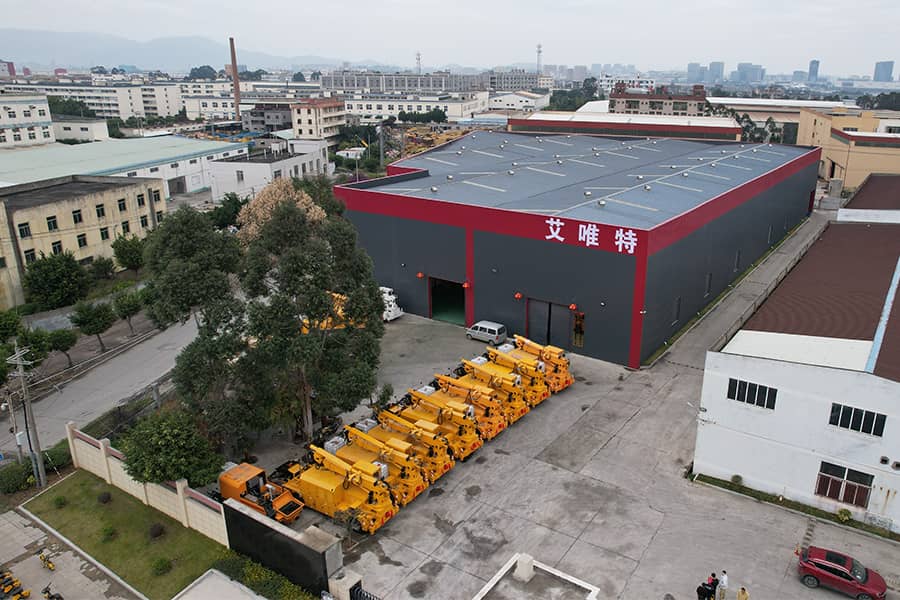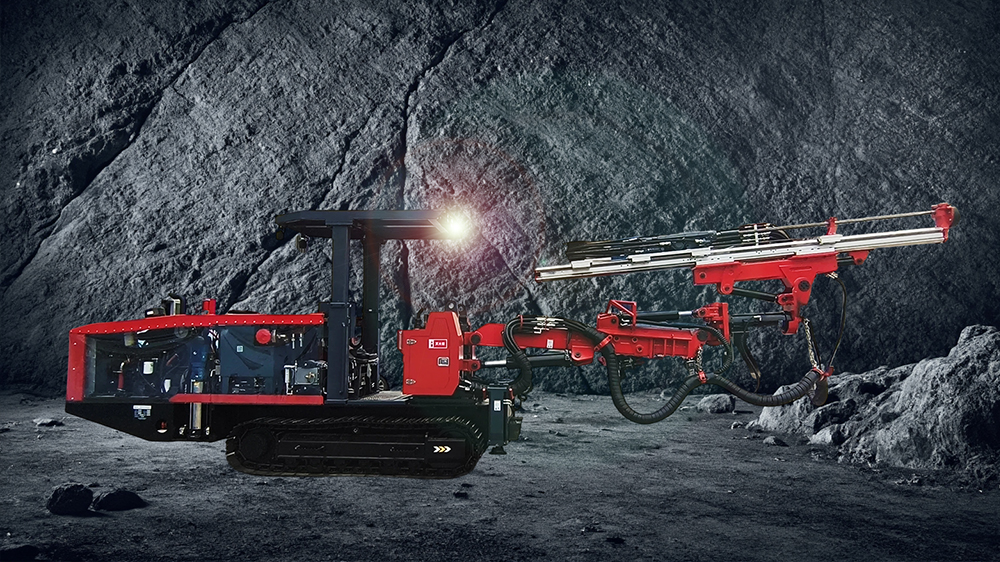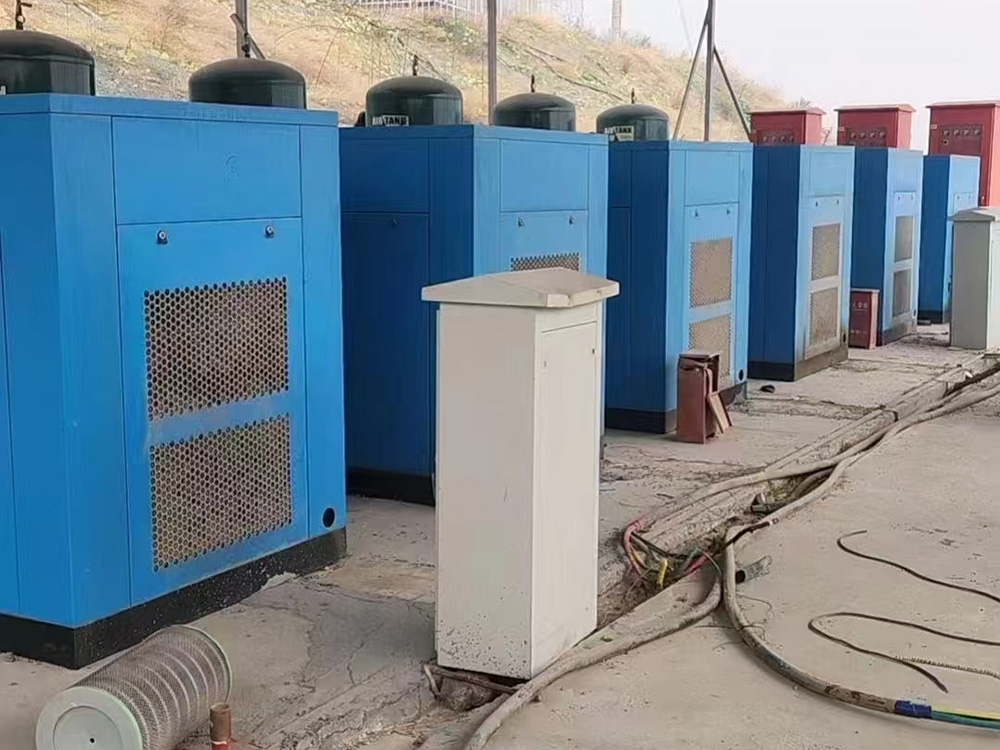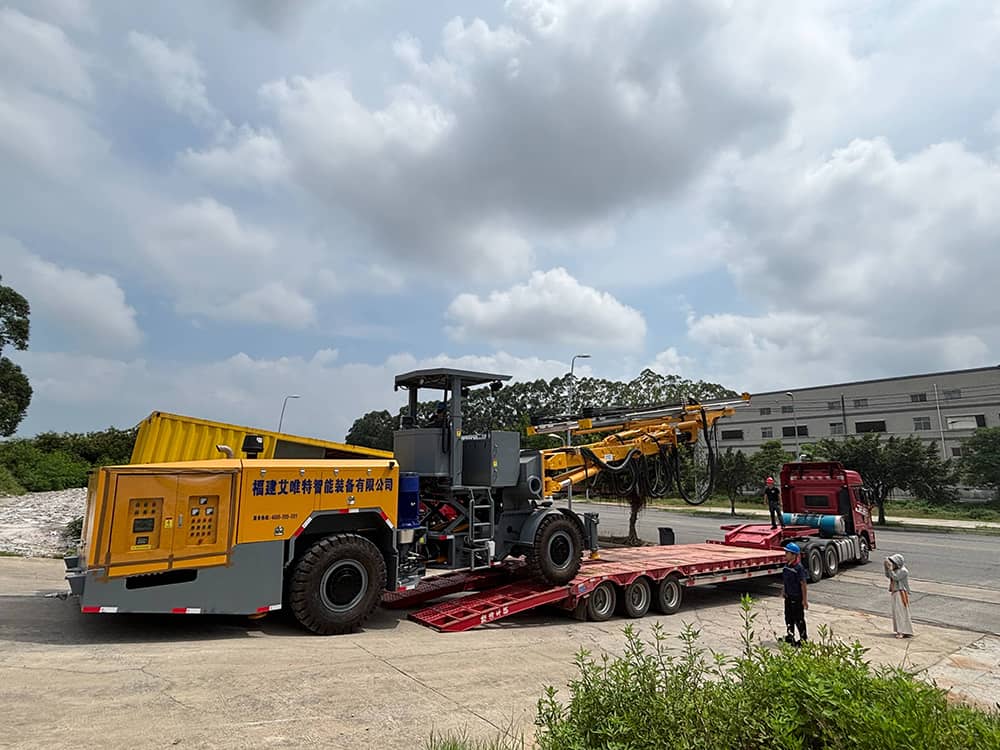
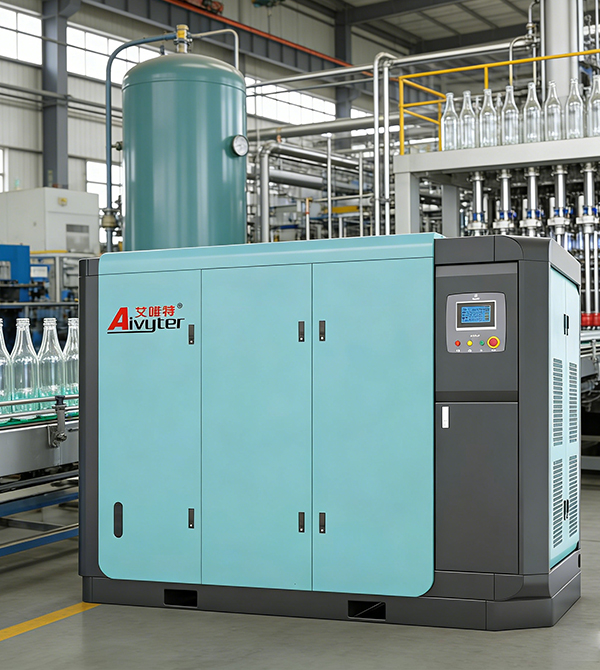
In critical sectors such as underground mining, tunneling, large-scale construction, and materials processing, the compressed air system forms the backbone of pneumatic tools, process control, and material conveying. Among positive displacement machines, the screw drive compressor has become the standard for continuous, high-duty-cycle operations. Unlike reciprocating units, a rotary twin-screw element delivers pulse-free airflow, lower vibration, and superior part-load efficiency. This guide provides a detailed engineering analysis — from rotor housing geometries to filtration integration — for professionals specifying equipment in harsh environments.
Understanding the internal mechanics and failure modes of a rotating screw mechanism allows maintenance teams to maximize uptime. With proper sizing, lubrication selection, and control logic, a modern screw drive compressor can exceed 100,000 operating hours before major overhaul. This article follows industry standards (ISO 8573‑1 for air quality, API 619 for rotary compressors) and focuses solely on measurable performance indicators and field-proven solutions.
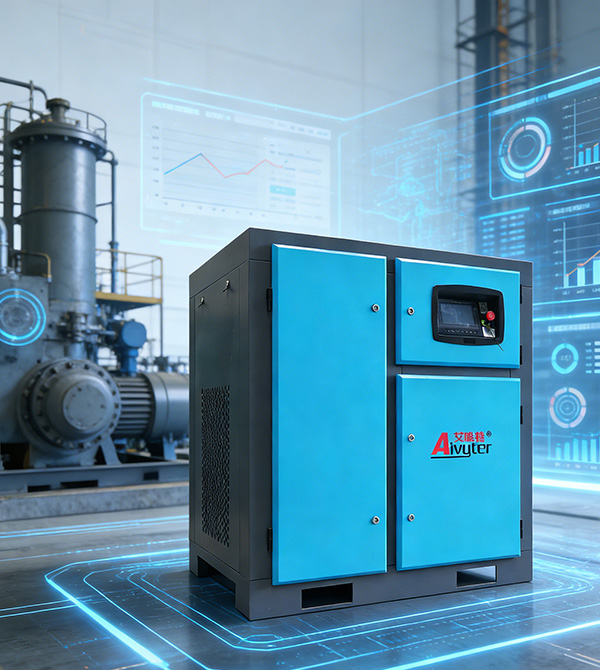
1. Fundamental Engineering of Screw Drive Compressor Technology
1.1 Rotor Profiles and the Compression Cycle
The core of any rotary screw air end consists of male and female rotors machined with asymmetric profiles. As the rotors counter-rotate, the void volume between lobes decreases progressively, raising air pressure from atmospheric to up to 15 bar (g) in a single stage. Key geometric parameters include:
- Rotor lead angle – Influences internal leakage and discharge pulsation.
- Blow‑hole area – Directly affects volumetric efficiency; precision ground rotors minimize this.
- Helical lobe count – Common configurations use 4+6 or 5+6 lobes to balance flow ripple and rigidity.
For mining applications, a robust screw drive compressor must maintain tight rotor clearances despite thermal expansion. High-grade cast iron or ductile iron housings with integral cooling channels are standard. Aivyter engineers their airends with advanced profile coatings that resist abrasion from ingested fine dust, a common failure point in underground construction.
1.2 Oil-Injected vs. Oil-Free Configurations
Two major variants dominate industrial compressed air strategies:
- Oil-injected (flooded) systems: Lubricant seals internal gaps, removes compression heat, and lubricates bearings. This achieves high single-stage pressure ratios (up to 13 bar) and is cost-effective for general plant air.
- Oil-free (dry) screw compressors: Use timing gears to maintain rotor contact without internal lubrication. Ideal for processes requiring ISO 8573-1 Class 0 air (e.g., electronics, pharmaceuticals). For mining and civil engineering, oil-injected remains predominant due to lower sensitivity to lubricant carry-over.
Selecting between these depends on downstream air quality requirements and ambient conditions. Many heavy construction sites opt for oil-injected screw drive compressor units with high-efficiency coalescing filters to meet tool lubrication needs while keeping maintenance predictable.
2. Critical Advantages for Industrial, Engineering, and Mining Sectors
Compared to traditional piston compressors, screw technology offers measurable benefits in continuous operation environments:
- 100% duty cycle – Designed for uninterrupted 24/7 run times without thermal derating.
- Low pulsation & vibration – Reduces piping fatigue and foundation requirements, vital for temporary construction sites.
- Steady flow under varying backpressure – The positive displacement characteristic ensures stable pressure even with fluctuating tool demand.
- Integrated variable frequency drive (VFD) capability – Achieves 15–35% energy savings at partial loads compared to load/unload regulation.
In Western Australian iron ore mines, portable screw drive compressor skids with sound-attenuated enclosures provide up to 45 m³/min at 10 bar for raise boring and shotcreting equipment. The modular design allows rapid relocation along advancing development headings.
3. Technical Deep Dive: Lubrication, Sealing, and Thermal Management
3.1 Lubricant Selection and Degradation Monitoring
Oil-injected screws rely on the lubricant for three simultaneous functions: sealing, cooling, and bearing lubrication. Field data show that using polyalphaolefin (PAO) or diester-based synthetic fluids extends oil change intervals to 6,000–8,000 hours in dusty construction environments, whereas mineral oils degrade after 2,000 hours. Engineers should monitor:
- Viscosity index – Minimum ISO VG 46 recommended for ambient temperatures above 40°C.
- Total acid number (TAN) – Indicates oxidation byproducts that cause varnish on rotor surfaces.
- Particle count (ISO 4406) – Level 18/16/13 or better prevents bearing abrasion.
Expert tip: For high-altitude mining (above 3,000 m), the reduced air density lowers cooling efficiency. Oversizing the oil cooler by 20% or specifying a screw drive compressor with a derating chart per ISO 1217 prevents thermal trips.
3.2 Sealing Systems and Air/Oil Separation
Two sealing zones require special attention: the shaft seals (rotor input shafts) and the air/oil separator element. Shaft seals often combine a carbon face seal with a Teflon labyrinth to prevent leakage into the gearbox. The separator vessel must achieve residual oil content below 3 ppm for standard industrial tools. For sensitive applications like abrasive blasting in confined spaces, secondary filtration (coalescing + activated carbon) reduces oil carry-over to 0.01 ppm. Aivyter provides separator kits with extended service life, specifically tested under high humidity Asian construction seasons.
4. Selecting Screw Drive Compressors for High‑Dust, High‑Demand Environments
When specifying equipment for open-pit mines, tunnel boring, or concrete spraying, consider these engineering parameters:
- Inlet air filtration: Two-stage cyclonic pre-filter + primary filter element of 5 µm nominal rating (increased to 1 µm for fine silica dust). Monitor filter restriction via ΔP sensors.
- Ambient temperature range: Units operating in Middle East summer require high-ambient packages (cooler fan speed increase, synthetic lubricant).
- Discharge pressure stability: For shotcrete rigs and rock drills, pressure drop below 0.5 bar is mandatory. Oversize receiver tanks (10–20% of FAD) dampen demand spikes.
- Corrosion protection: Offshore construction demands epoxy-coated coolers and stainless steel hardware for the airend housing.
Additionally, prioritize a screw drive compressor with a direct-coupled motor (no belts) to eliminate belt dust and slippage. Flanged discharge connections reduce leak points compared to threaded fittings.
5. Intelligent Control, VFD Integration, and System Optimization
Modern screw compressors employ three primary control strategies, each suited to different load profiles:
- Load/Unload (constant speed): Simple and robust for stable base loads above 70% of capacity. Short cycling can be prevented by increasing the unload timer to 20–30 seconds.
- Variable Frequency Drive (VFD): Adjusts motor speed continuously to match air demand. Excellent for fluctuating consumption (e.g., multiple pneumatic tools used intermittently). VFD efficiency gains are significant at 40–80% load.
- Dual‑pressure setpoints and sequencing: For multiple compressor rooms, central controllers with anti‑hunting logic reduce energy waste. Prioritizing the most efficient machine at partial load yields 8–12% annual savings.
For remote mining or construction camps, telemetry modules on the screw drive compressor allow real‑time monitoring of pressures, temperatures, and filter status. Alerts can be forwarded to maintenance platforms, enabling condition‑based overhauls.
6. Maintenance Protocols and Reliability Engineering
Proactive maintenance extends service life and minimizes downtime in penalty‑driven construction schedules. Recommended intervals based on thousands of field reports:
- Daily: Check oil level, drain condensate from receiver and separators, verify belt tension (if belt‑driven).
- 500 hours: Sample lubricant for viscosity and TAN; inspect air filter differential pressure.
- 2,000 hours or 6 months: Replace air filter element, clean oil cooler fins, inspect flexible hoses for cracks.
- 4,000–6,000 hours: Replace oil filter and air/oil separator element (sooner if pressure drop exceeds 0.8 bar).
- Major overhaul (40,000–50,000 hours): Replace rotor bearings, inspect rotor profile coatings, reseal shaft seals.
Documentation of all parameters (discharge temperature, differential pressure across separator) in a CMMS system facilitates predictive analytics. Many failures, such as lubricant oxidation caused by high discharge temperatures (>105°C), can be prevented by verifying that the minimum pressure valve (MPV) opens correctly to ensure oil flow.
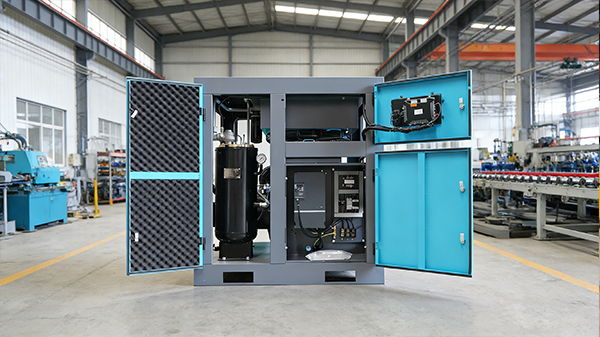
7. Integration into Heavy‑Duty Air Networks: Engineering Considerations
Distributing compressed air over long distances (up to 2 km in mining declines) requires careful pipe sizing and moisture control. Key rules:
- Piping material: Schedule 80 galvanized steel or HDPE for corrosive mine water. Avoid PVC – it becomes brittle under UV and oil vapor.
- Slope and drain points: A 1–2% slope with automatic drain traps at low points every 150 m prevents slug flow that damages tools.
- Receiver tank location: Placing a 500‑1,000 L tank at the point of use (e.g., near a jumbo drill) dampens pressure drops from long feeders.
- Air dryer selection: Refrigerated dryers achieve pressure dew points (PDP) of +3°C; for Arctic construction, desiccant dryers with heater blowers maintain PDP of -40°C.
In projects where multiple screw drive compressor units are paralleled, install check valves on each discharge to prevent backflow during shutdowns. Pressure transmitters at remote ends of the network enable master controllers to stage compressors efficiently.
When reliability and energy efficiency are non‑negotiable, engineering teams trust Aivyter for robust screw air ends, smart control panels, and application‑specific lubricants. Their range covers 5.5 kW to 355 kW units, configurable for mining, civil infrastructure, and offshore construction.
Frequently Asked Questions (FAQ) – Screw Drive Compressor in Heavy Industry
Q1: How does a screw drive compressor differ from a piston compressor in mining environments?
A1: Rotary screw units provide continuous, pulse‑free airflow with lower vibrations, making them suitable for 24/7 operations. Piston compressors require frequent cool-down cycles and suffer from higher maintenance due to valve and ring wear under dusty conditions. For applications like continuous shotcreting or rotary blasthole drilling, the screw design dominates due to reliability.
Q2: What is the typical service life of the airend in an industrial screw drive compressor?
A2: With proper lubrication and filtration, the screw airend lasts 60,000 to 100,000 operating hours before bearing replacement or rotor re‑profiling is required. Operating at elevated temperatures (>100°C discharge) or ingesting abrasive dust drastically reduces life; regular oil analysis and air filter maintenance are key.
Q3: Can I run a screw drive compressor at variable speeds without a VFD?
A3: Without a VFD, the screw drive compressor runs at constant speed and uses load/unload or modulation control. VFD integration is recommended when the load varies widely (e.g., construction sites with intermittent tool use) because it directly matches motor speed to air demand, eliminating unloaded run power losses. Retrofitting a VFD to an older unit is possible but requires checking motor insulation and control compatibility.
Q4: What air quality class should I specify for construction pneumatic tools?
A4: ISO 8573‑1 Class 2.4.3 is generally sufficient: maximum particle size 1 µm, oil concentration 5 mg/m³, pressure dew point +3°C. More stringent classes (Class 1 for oil) are unnecessary for standard impact wrenches, breakers, or sandblasters and would increase dryer and filter costs. For abrasive blasting in confined spaces, an extra activated carbon filter reduces oil to Class 1 levels.
Q5: How do I calculate the required displacement of a screw drive compressor for a new mining tunnel?
A5: Sum the air consumption of all tools that operate simultaneously (e.g., a jumbo drill: 12 m³/min, shotcrete pump: 8 m³/min, ventilation air motors: 5 m³/min). Add a 15–20% margin for leakage and future expansion. Then adjust for altitude – for every 1,000 m above sea level, output decreases by approximately 8‑10% at the same discharge pressure. Always select based on free air delivery (FAD) at site conditions.
Q6: What are the signs of imminent failure in a screw drive compressor?
A6: Key indicators: increased running current (stator abrasion or bearing damage), discharge temperature >110°C (varnish risk), rising vibration velocity (>7 mm/s on housing), and pressure drop across the separator exceeding 1 bar. Weekly checks of these parameters prevent catastrophic rotor seizure.
Q7: Is synthetic lubrication worth the added cost for construction screw compressors?
A7: Yes, particularly in high ambient temperatures (above 35°C) or extended oil drain intervals. Synthetic PAO oils reduce carbon buildup on the separator, maintain viscosity at high temperatures, and extend change intervals from 2,000 to 8,000 hours. This reduces total fluid consumption and service labour on remote sites.
Need a tailored solution for your worksite? Aivyter engineers provide site assessments, air demand calculations, and after‑sales support for screw drive compressor systems in mining, tunneling, and large civil projects. Submit your inquiry with project specifications to receive a technical proposal and performance simulation within 48 hours. Ensure your compressed air infrastructure delivers maximum productivity with minimal downtime.
about
Aivyter
We provides trusted air compressors and mining equipment, engineered for durability, efficiency, and demanding industrial applications.