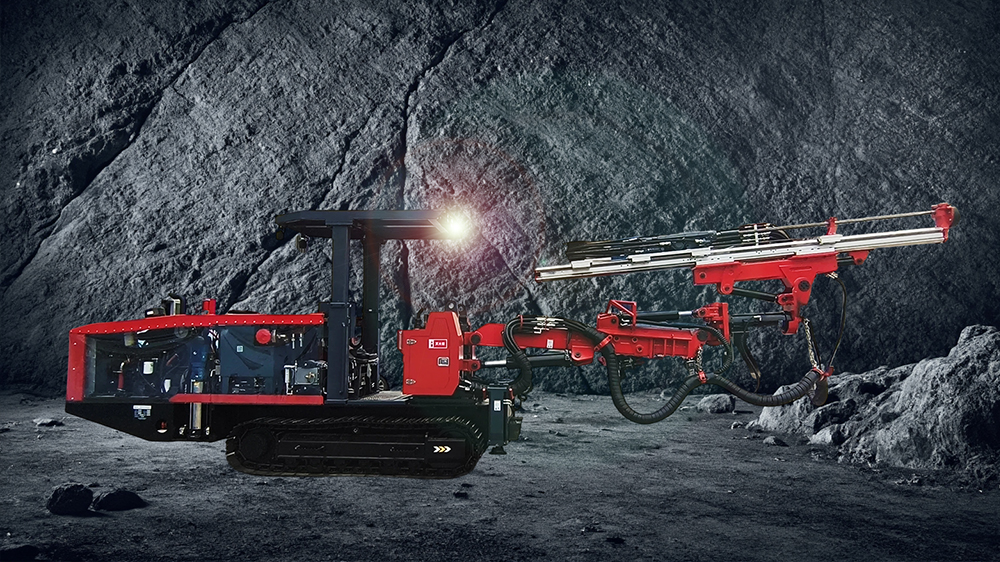
Underground mining projects that involve repeated rock drilling place ongoing demands on drilling equipment. Restricted working areas, changing rock conditions, and frequent movement between drilling positions can all affect equipment operation. For an underground rock drill rig, the drilling system, boom arrangement, hydraulic controls, carrier design, and service requirements should therefore be considered together.
The right combination depends on the tunnel layout, drilling pattern, rock conditions, and operating requirements. Rather than focusing on one specification, contractors can assess how the main components work together during repeated underground drilling.
What Does Repeated Underground Drilling Require?
A drilling cycle may involve moving to the working face, positioning the boom, drilling holes, and relocating for the next task. Repeating these steps places different demands on the rig.
The carrier needs to provide suitable mobility, while the boom and drilling system need enough positioning range for the planned hole layout. Hydraulic controls also need to support the movements involved in drilling and repositioning.
For this reason, an underground drilling rig should be viewed as a complete working unit rather than a collection of separate components.
How Does the Drilling System Affect Underground Work?
The drilling system is a key part of an underground rock drilling machine. It determines how the drilling equipment is positioned and operated at the working face.
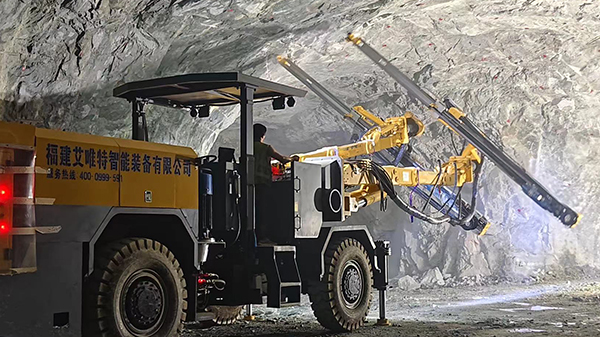
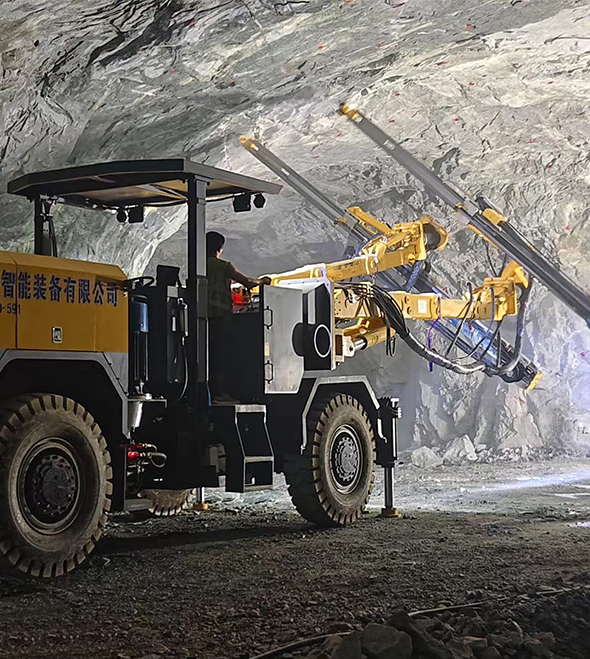
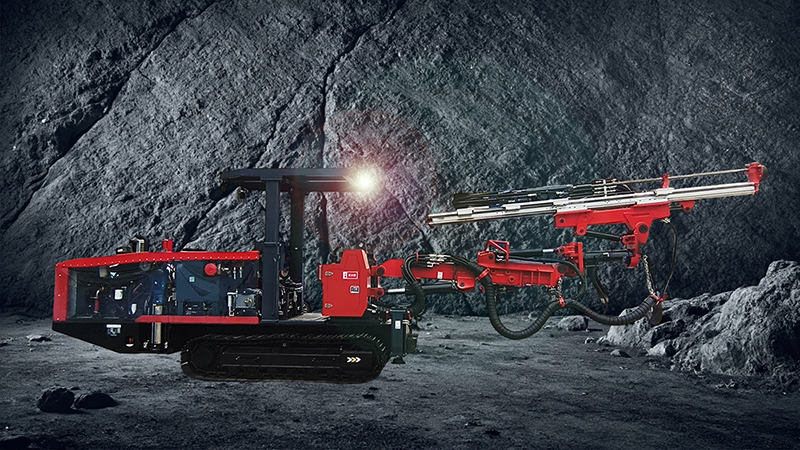
A drill jumbo combines drilling components with a boom and carrier. The drilling mechanism performs the rock drilling, while the boom provides the movement needed to reach different positions.
The required arrangement depends on the excavation area and drilling pattern. A single-boom setup may suit working sections with limited drilling coverage, while a double-boom design can provide access to more positions across a larger face.
The drilling system therefore needs to correspond with the actual work area rather than being evaluated separately from the rest of the rig.
Why Does Hydraulic Control Matter?
Hydraulic systems have an important role in drilling and machine movement. Underground work often requires the operator to control the boom, drilling mechanism, and carrier within a confined area.
Hydraulic control can support:
- Boom positioning
- Drilling movements
- Machine travel
- Equipment positioning
The specific hydraulic arrangement varies between drill rig models. Some underground drill jumbos use hydraulic systems for both drilling and machine functions, allowing the different working mechanisms to operate as part of one unit.
For repeated drilling, hydraulic performance should therefore be considered alongside the drilling system and carrier.
How Should Boom Design Match the Working Area?
Boom design affects where the drilling system can reach from the machine’s position.
In a narrower working section, a single boom may provide the required range. Where the excavation face is wider or requires multiple drilling positions, a double-boom arrangement can reduce the need to reposition the carrier between holes.
Several site factors can influence the appropriate setup:
- Tunnel dimensions
- Face width
- Hole layout
- Required drilling coverage
- Available operating space
The purpose is not simply to select more booms, but to match the drilling arrangement with the geometry of the working face.
Why Is Mobility Important for Underground Drill Rigs?
Movement between working positions is part of regular underground drilling. A rig may need to travel through restricted passages and position itself at different faces or sections.
Machine dimensions and carrier design can therefore affect practical operation. Important considerations include overall size, turning capability, travel arrangement, ground conditions, and access to the working face.
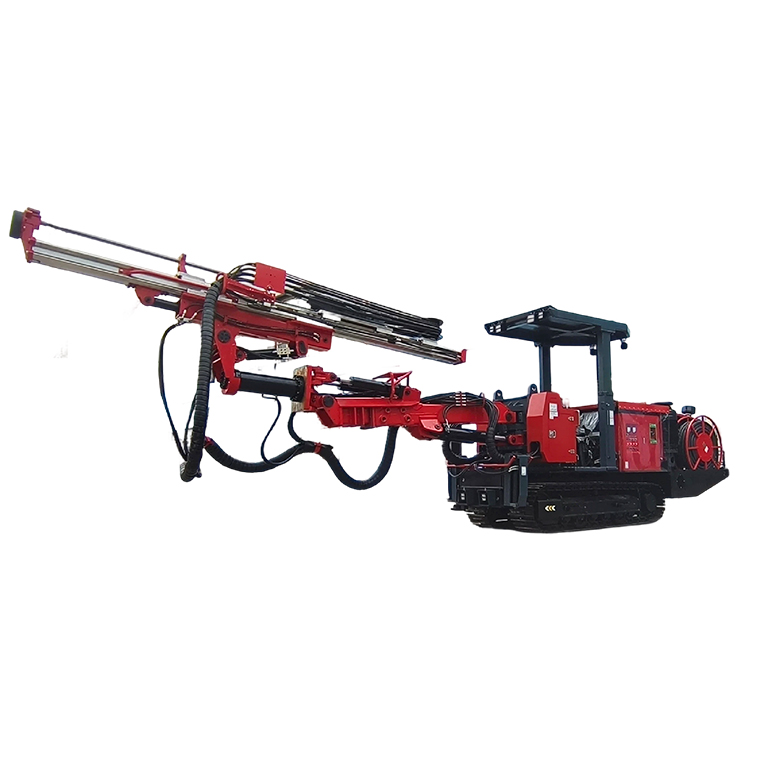
A heavy-duty carrier provides the base for movement and supports the drilling equipment during operation. The appropriate carrier depends on the conditions in which the underground mining drill rig will be used.
Mobility is particularly relevant when drilling locations change frequently during a project.
What Maintenance Features Matter During Repeated Use?
Regular drilling places operating demands on drilling components, hydraulic systems, and travel mechanisms. Maintenance planning is therefore part of keeping the equipment available for scheduled work.
Routine attention may include:
- Inspecting drilling components
- Checking hydraulic systems
- Monitoring wear parts
- Servicing travel-related components
- Replacing parts when required
Access to service points can also influence maintenance work. Equipment that allows technicians to reach relevant components without unnecessary disassembly can make routine inspections easier to organize.
For underground projects, maintenance planning should also consider working conditions, expected equipment workload, spare parts, and technical support.
How Do These Features Work Together?
The main characteristics of an underground rock drill rig are closely related.
The drilling system determines the basic drilling function. Boom design affects the positions that can be reached from the carrier. Hydraulic controls connect drilling and movement functions, while the carrier determines how the rig travels through the working area.
Maintenance then supports the equipment throughout its operating cycle.
For example, tunnel dimensions may influence the machine size and boom arrangement. The drilling pattern can determine the required coverage, while the available access routes affect carrier selection. Once these factors are considered together, the equipment configuration can be assessed against the actual underground conditions.
What Should Be Checked Before Continuous Underground Use?
Before placing an underground drilling rig into regular operation, contractors can review several practical areas:
Drilling system: Does it correspond with the required drilling work?
Boom arrangement: Does the reach cover the planned drilling positions?
Hydraulic controls: Can the operator manage the required drilling and movement functions?
Carrier design: Can the rig travel and position itself within the available space?
Maintenance: Are inspection, servicing, and replacement requirements manageable?
These checks provide a more useful basis for evaluating underground rock drill rigs than focusing on one specification alone. The final setup should reflect the tunnel dimensions, drilling requirements, site conditions, and expected operating pattern.
FAQ
What is an underground rock drill rig used for?
It is used for rock drilling in underground mining and tunneling applications.
Why does boom arrangement matter?
It affects the drilling positions and coverage available from the rig.
What role does hydraulic control play?
It supports drilling, boom movement, positioning, and related machine functions.
Why is carrier design important underground?
The carrier affects how the rig travels and positions itself in restricted areas.
What should be considered for repeated drilling?
Drilling capability, boom design, hydraulics, mobility, and maintenance requirements should be reviewed together.
about
Aivyter
We provides trusted air compressors and mining equipment, engineered for durability, efficiency, and demanding industrial applications.