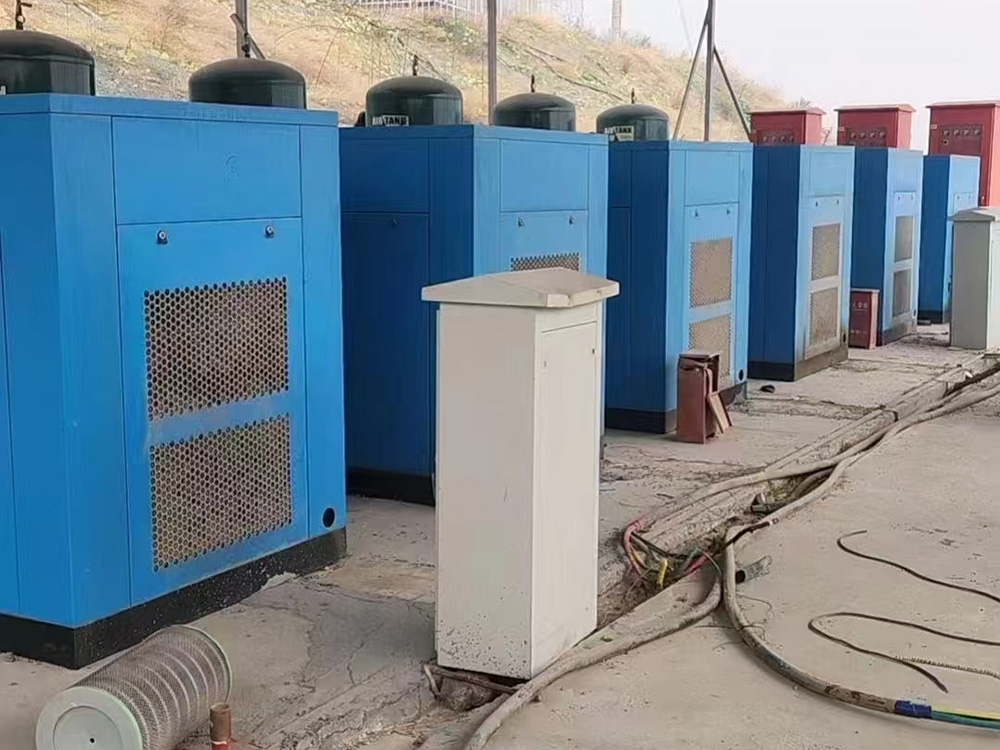
Compressed air serves as a primary energy vector across heavy industrial processing, underground mining, and massive civil infrastructure projects. Operating large pneumatic rock drills, managing heavy-duty material handling, and driving automated valve networks require continuous volumetric flow at stable pressures. When operating environments present airborne particulate contamination, ambient temperature swings, and remote operational logistics, sourcing capable air compressor suppliers becomes a foundational engineering decision. Equipment failure halts site production, rendering system design and component robustness paramount.
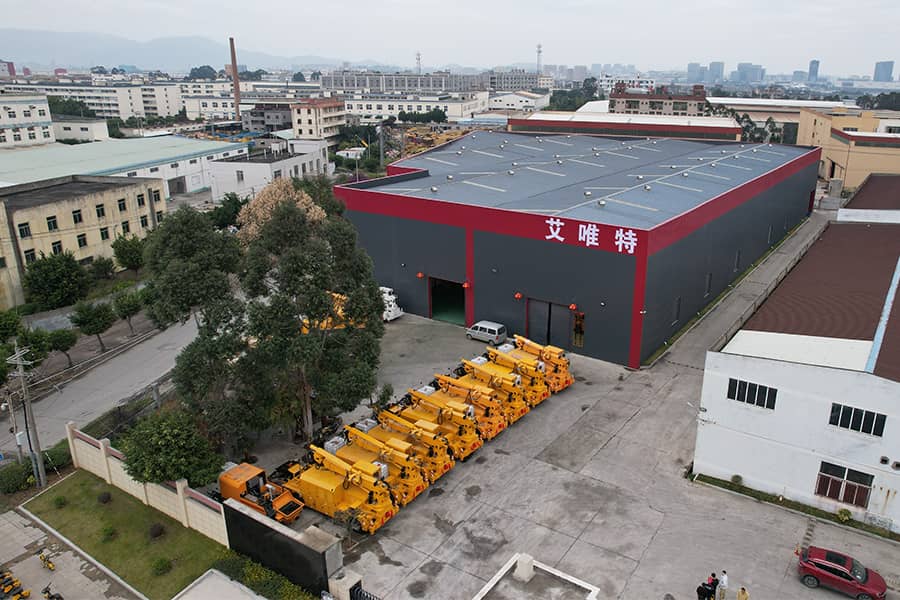
Specialized equipment manufacturers like Aivyter engineer compressed air packages designed for continuous duty under severe site conditions. Understanding the mechanical, thermodynamic, and fluid dynamic requirements of air generation allows engineering teams to specify plants that maintain operational readiness over decade-long lifecycles.
Thermodynamic Principles and Compressor Machinery Configurations
Pneumatic system specification begins with a rigorous evaluation of air demand profile, continuous volumetric delivery requirements, and operating pressure targets. Choosing the correct mechanical compression mechanism influences both drive efficiency and long-term mechanical survival.
Rotary Screw Compression Mechanics
Rotary screw air compressors dominate medium-to-high volume continuous industrial applications. The mechanical core relies on two asymmetrical helical rotors—a male rotor driving a female rotor—meshing within a precision-machined housing. As the rotors turn, air enters the suction port, becomes trapped between the rotor lobes and housing, and undergoes continuous volume reduction until discharging through the outlet port.
- Oil-Injected Rotary Screw Units: Fluid injected into the compression chamber performs three simultaneous functions: lubricating the rotor bearings, sealing internal clearances between rotors to minimize slip, and absorbing the thermal energy generated during compression. These systems maintain discharge temperatures well below thermal breakdown limits, allowing continuous 100% duty cycle operation.
- Oil-Free Rotary Screw Units: Applications requiring high fluid purity—such as electronics manufacturing, food processing, or specific chemical processing—utilize dual-stage oil-free screw designs. Precision timing gears maintain exact rotor synchronization without physical rotor-to-rotor contact, eliminating the need for injection fluids within the compression cavity. Stainless steel or specialized polymer-coated rotors resist high thermal loads during double-stage compression.
Reciprocating Piston and Centrifugal Architectures
Reciprocating piston compressors operate via positive displacement driven by crankshaft-connected pistons moving inside sealed cylinders. While less efficient for continuous high-flow demands due to mechanical friction and pulsation, multistage reciprocating units excel in extreme high-pressure applications, reaching pressures above 40 bar required for pneumatic starter systems, high-pressure injection, and specialized mining drills.
Centrifugal compressors represent dynamic compression technology, utilizing high-speed impellers to impart kinetic energy into incoming air, which converts to static pressure within diffuser passages. These units suit continuous baseload industrial facilities where volumetric air demand remains consistently large, offering high volume output with zero oil contamination in the air stream.
Auxiliary System Integration: Vessels, Filtration, and Air Quality
A compressed air station consists of far more than the prime compression block. Maintaining downstream piping integrity, instrument performance, and tool service life demands comprehensive air treatment and storage integration directly behind the compressor output stage.
Designing the Air Compressor Tank and Pressure Vessels
An oversized or correctly dimensioned air compressor tank fulfills multiple systemic functions within an industrial air loop. Acting as a buffer storage volume, the pressure vessel stabilizes system pressure spikes caused by sudden pneumatic tool engagement. This storage capacity prevents constant compressor cycling, reducing mechanical wear on drive motors and inlet valve actuators.
The air receiver tank acts as a primary mechanical separator. As hot, compressed air enters the wider volume of the vessel, velocity decreases, allowing thermal dissipation through the vessel walls. This cooling action causes moisture vapor to condense out of suspension, settling at the bottom of the tank where automatic condensate drain valves purge the accumulated fluid. Fabrication of these pressure vessels must comply with strict pressure vessel codes, such as ASME Section VIII, featuring rated pressure safety relief valves and internally coated surfaces to resist corrosion.
Moisture Control and Contaminant Removal Standards
Atmospheric air drawn into industrial compressors carries water vapor, dust particulates, and ambient hydrocarbons. Compressing atmospheric air to 7 bar (100 PSI) increases moisture and contaminant concentrations proportionately. Unconditioned air degrades internal air tool surfaces, clogs delicate valve orifices, and causes corrosion inside plant distribution piping.
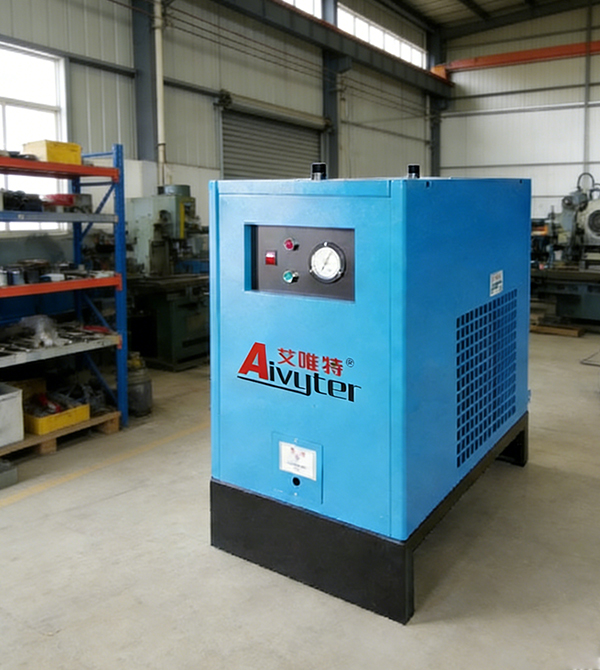
- Refrigerated Air Dryers: Cool incoming compressed air to approximately 3°C (37°F), forcing water vapor to condense into liquid form for automatic ejection. This level of drying suffices for general indoor plant pneumatics where ambient temperatures remain above freezing.
- Desiccant Air Dryers: Applications subjected to sub-zero temperatures, outdoor construction sites, or strict processing environments require twin-tower desiccant air dryers. Utilizing activated alumina or molecular sieve beads, desiccant dryers absorb moisture down to pressure dew points of -40°C or -70°C. Twin-tower configurations alternate between drying cycles and regeneration cycles using heated ambient air or purge air streams.
- Multi-Stage Filtration Networks: Coalescing particulate filters installed upstream and downstream of dryers remove solid particulates down to 0.01 microns and aerosolized oil concentrations down to 0.003 mg/m³, meeting stringent ISO 8573-1 air quality classes.
Extreme Environment Engineering for Heavy Operations
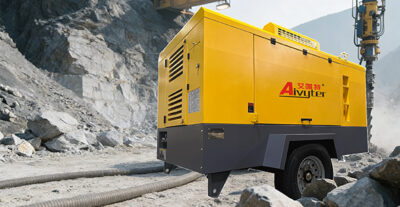
Deploying compressed air infrastructure into remote mining operations or earthmoving construction sites introduces severe operating demands. Equipment designed solely for clean, indoor factory floors fails rapidly when exposed to high ambient dust, ambient thermal extremes, and severe structural vibration.
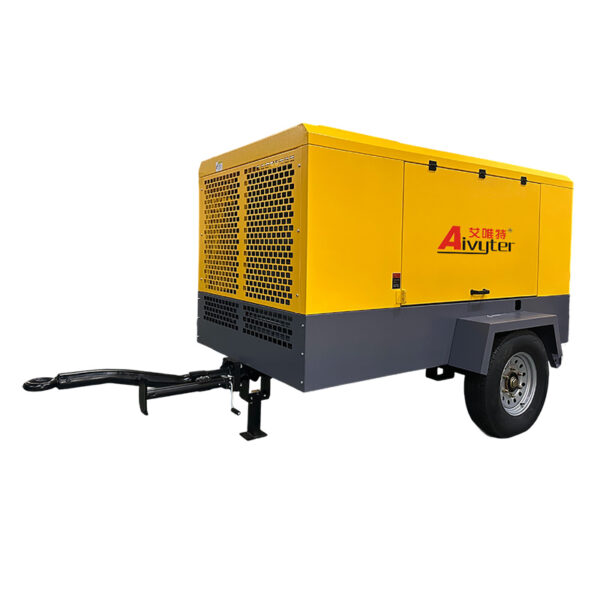
Experienced high-volume air compressor suppliers engineer specialized heavy-duty packages tailored to these harsh conditions. Heavy manufacturing facilities require skid-mounted designs with structural steel frames, heavy-gauge sheet metal enclosures, and dynamic isolation mounts to withstand continuous site relocations and machinery vibration.
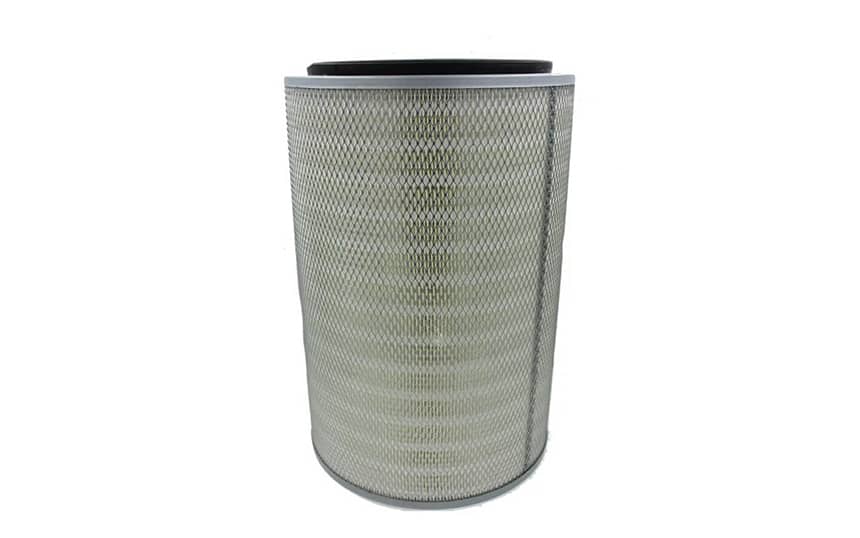
Fine particulate dust in open-pit mining operations quickly chokes standard air intake filters, leading to pressure drop across intake valves, reduced volumetric efficiency, and accelerated rotor wear. Severe duty air compressor builds feature multi-stage pre-cleaners, cyclonic dust separators, and heavy-duty pleated filter elements with high dirt-holding capacities. Dual-stage fuel/oil separation systems prevent oil carryover under dynamic incline angles, ensuring uninterrupted lubrication during operation on non-level terrain.
High altitude environments, typical of mountain mining projects, introduce low ambient pressure and diminished air density. Air compressor volumetric output formulas must account for reduced mass air flow at elevated altitudes. Qualified industrial air compressor suppliers size airends appropriately, matching larger displacement rotors and high-torque motors to compensate for thinner atmospheric air.
Maintenance Frameworks and Component Supply Management
Pneumatic plant availability relies entirely on systematic preventative maintenance schedules and immediate access to original component replacements. Unscheduled downtime in continuous production or tunnel excavation operations quickly yields significant operational losses.
Supply Chain for Air Compressor Spare Parts
Establishing an inventory of OEM replacement components guarantees uninterrupted equipment availability. Fast-wearing items require routine replacement intervals dictated by operational running hours and ambient site severity:
- Air and Oil Filter Elements: Scheduled replacement prevents elevated differential pressures that strain driving motors and decrease free air delivery (FAD).
- Oil Separator Elements: Coalescing separator media degrades over time. Replacing these elements prevents excessive oil consumption and protects downstream desiccant dryer beds from hydrocarbon contamination.
- Thermostatic Valves and Intake Actuators: Temperature control valves manage oil flow through air-cooled thermal exchangers, preventing fluid oxidation due to overheating or condensation formation caused by low operating temperatures.
- Rotor Seals and Bearing Rebuild Kits: Precision rotary screw bearings require replacement at dedicated engine-hour intervals (typically between 20,000 to 40,000 hours) to prevent rotor contact and catastrophically damaged airends.
Reliable air compressor suppliers maintain global logistics networks to supply essential air compressor spare parts quickly, providing comprehensive overhaul kits, direct-fit replacement elements, and fluid analysis programs to track air end degradation long before physical mechanical failures occur.
Selecting Strategic Compressed Air Partners
Selecting an equipment partner requires thorough technical evaluation beyond initial machine specification acquisition. Partnering with establish air compressor suppliers ensures engineering integration support, direct technical consultation, and custom skid packaging designed around exact site footprints.
Evaluating specialized manufacturers like Aivyter involves reviewing structural design capabilities, factory acceptance testing (FAT) protocols, and mechanical compliance certifications. Advanced screw air compressor suppliers provide customized drive systems—such as variable speed drive (VSD) systems that modulate motor RPM to directly track dynamic site air demand, conserving power during partial load conditions.
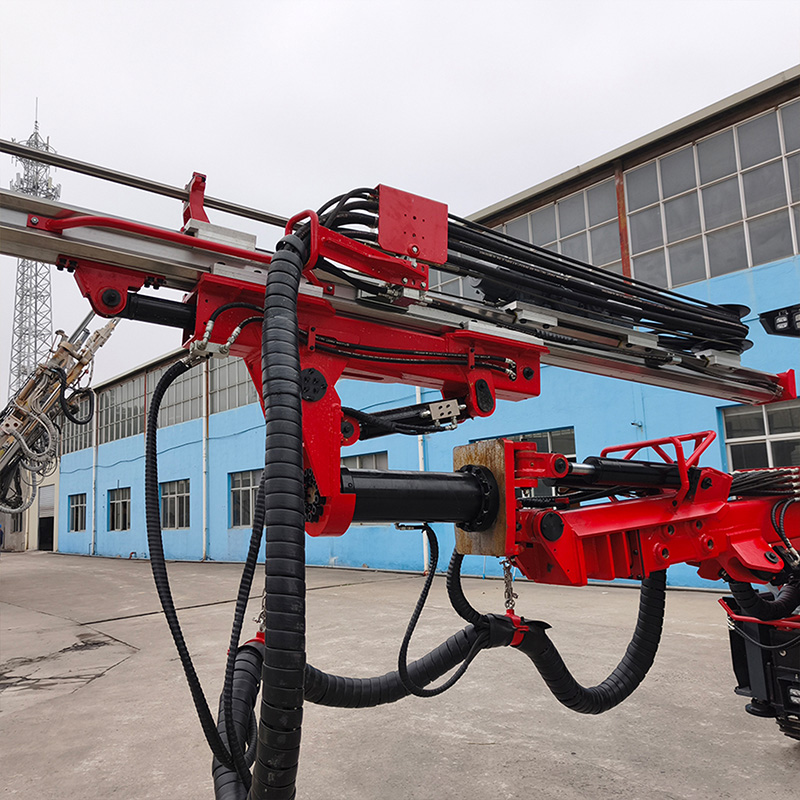
Direct manufacturer support guarantees proper air loop architecture, matching pressure vessel volume, pipe sizing, air dryer desiccant charge, and filtration efficiency to specific pneumatic tools and process applications. From underground tunneling jumbos to continuous chemical processing loops, precise system sizing delivers long-term operational stability.
Frequently Asked Questions
Q1: How do altitude variations affect rotary screw air compressor performance?
A1: Higher altitudes lower ambient atmospheric pressure and air density. Because positive displacement air compressors capture a fixed volume of air per rotor revolution, lower air density reduces the total mass of air delivered to the compression chamber. This decreases total Free Air Delivery (FAD) output and affects heat dissipation efficiency. Engineering teams adjust rotor sizing, motor horsepower, and cooling capacity to offset elevation derating factors.
Q2: What is the main structural difference between oil-injected and oil-free screw air compressors?
A2: Oil-injected units introduce synthetic fluid directly into the rotor chamber to seal internal clearances, lubricate bearings, and absorb compression heat, achieving high single-stage pressure ratios. Oil-free units utilize precision timing gears to keep rotors synchronized without physical contact or internal liquid sealing, typically requiring two compression stages with intercoolers to reach equivalent discharge pressures without thermal breakdown.
Q3: Why is an air compressor tank required in high-demand pneumatic systems?
A3: An air receiver tank acts as a pressure buffer, storing compressed air to absorb consumption spikes caused by heavy pneumatic equipment without dropping system pressure. It reduces frequency of compressor load/unload cycles, allows entrained moisture vapor to cool and condense, and smooths out pressure pulsations in distribution piping.
Q4: How frequently should heavy-duty air compressor spare parts be replaced in mining environments?
A4: Dusty ambient conditions accelerate filter contamination. Air intake filters may require cleaning or replacement every 500 to 1,000 operating hours in high-dust mining zones, compared to 2,000 to 4,000 hours in clean indoor plants. Oil filters, separator elements, and synthetic lubricants follow structured 2,000-to-8,000-hour replacement cycles depending on fluid analysis results and operating thermal conditions.
Q5: What air treatment components are required to reach sub-zero dew points for outdoor pipelines?
A5: Achieving sub-zero pressure dew points down to -40°C or -70°C requires twin-tower desiccant air dryers loaded with activated alumina or molecular sieve desiccant media. Pre-filters remove moisture droplets and aerosol oil prior to desiccant tower entry, while post-filters capture desiccant dust downstream before air reaches distribution piping.
Engineering Consultation and Technical Inquiry
Engineering robust compressed air infrastructure requires exact capacity calculations, custom skid configuration, and reliable component selection tailored to specific industrial environments. Partnering with established premier air compressor suppliers guarantees continuous pneumatic reliability, reduced maintenance overhead, and operational long-term output across demanding sites.
For custom engineering project reviews, high-pressure rotary screw specifications, or detailed equipment sourcing, contact the engineering sales team at Aivyter. Submit your detailed technical request, volumetric flow targets, and site operating conditions to receive an engineering inquiry proposal and equipment quotation optimized for your project specifications.
about
Aivyter
We provides trusted air compressors and mining equipment, engineered for durability, efficiency, and demanding industrial applications.