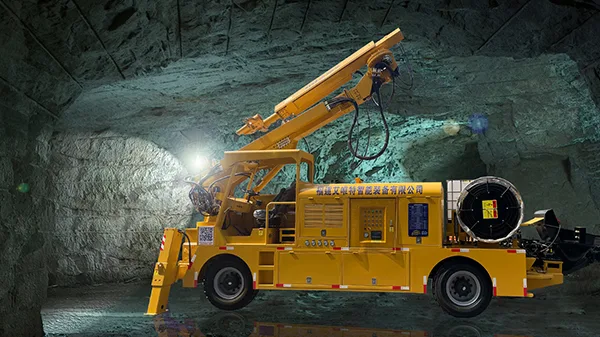
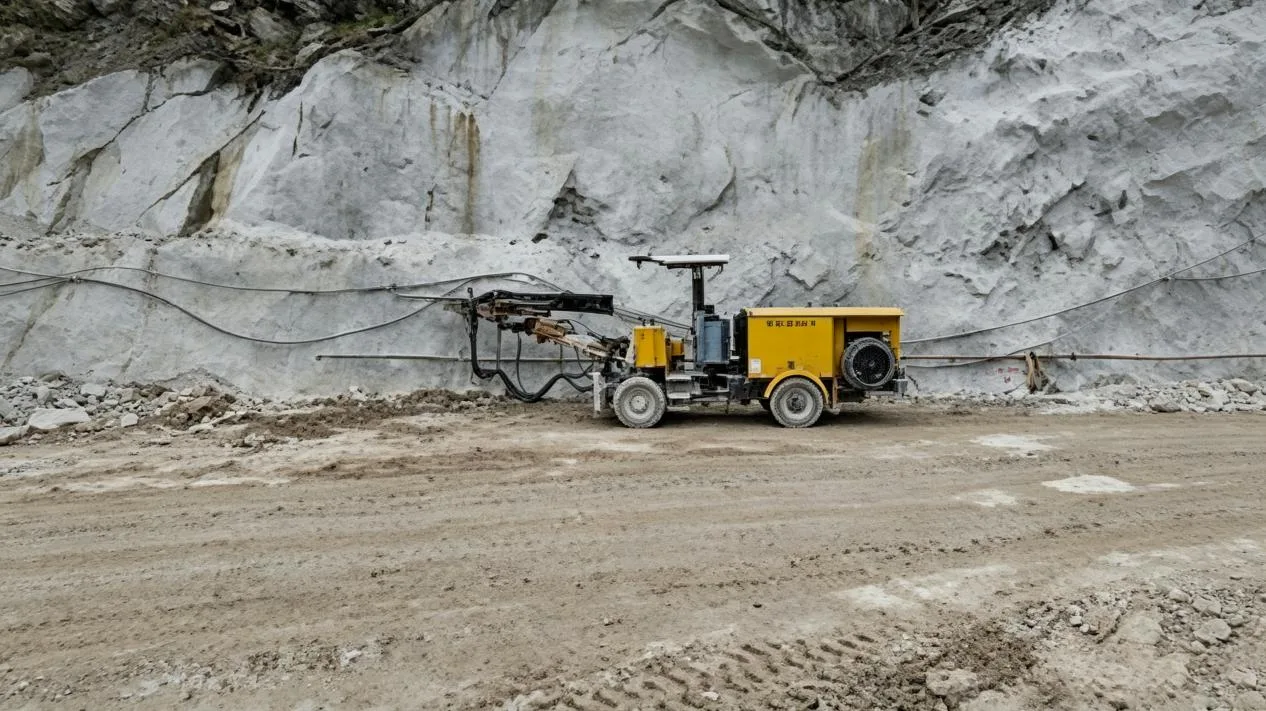
Underground mining provides zero margin for equipment failure. When a drill jumbo breaks down deep inside a haulage drift, production stalls immediately. Haul trucks idle, mucking cycles stop, and downtime costs compound at thousands of dollars per hour.
Securing reliable equipment starts long before machines reach the portal. The global mining machinery market includes dozens of vendors claiming original production capabilities. Many of these entities are intermediate brokers or assembly sheds with limited engineering oversight.
If you are evaluating manufacturers—including established producers like Aivyter—you must conduct thorough technical vetting. Wiring a substantial down payment demands absolute proof of structural integrity, engineering expertise, and sustained aftermarket support.
Send these ten critical technical questions to any underground drilling rig factory before signing purchase contracts or committing capital reserves.
Looking for a verified manufacturing partner for your underground project? Contact our engineering team today for direct technical data sheets and production schedules.
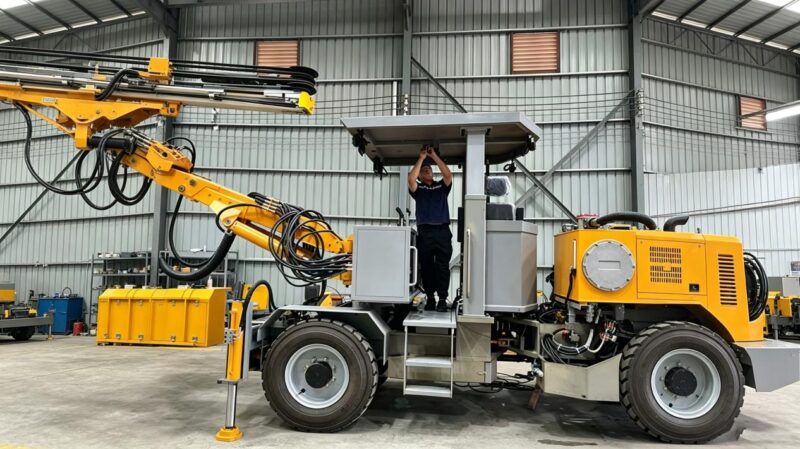
Part 1: Authenticity and Engineering Infrastructure
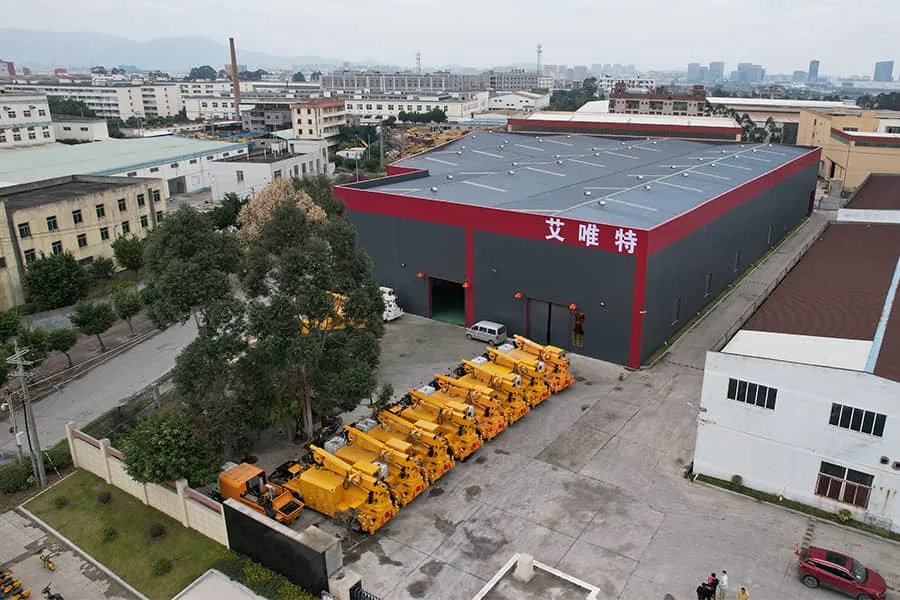
Q1: Are you a genuine manufacturing facility or an export trading intermediary, and can we audit your production line via live video?
Trading companies frequently list drilling equipment online using stock photographs and borrowed workshop imagery. Intermediaries lack direct control over component metallurgy, weld testing, assembly tolerances, or delivery timelines.
Demand proof of genuine manufacturing operations. Ask the vendor to walk you through their machining center, CNC fabrication bays, shot-blasting rooms, hydraulic clean rooms, and test tracks via an unedited live video call.
- Inspect the serial plate stamping process and raw inventory storage.
- Request copies of utility bills or commercial business licenses displaying physical heavy-industrial zoning.
- Reserve the legal right to dispatch an independent third-party inspection agency, such as SGS or Bureau Veritas, to conduct a comprehensive machinery factory audit without prior notice restrictions.
A legitimate underground drilling rig factory will welcome technical inspections. Evasive responses regarding physical facility visits signal that you are negotiating with an unlicensed middleman.
Q2: What direct OEM/ODM engineering capabilities do you have for customized drift dimensions and local geology?
Standard off-the-shelf drill rigs rarely match every underground mining application. Drift dimensions, vein dips, rock mass ratings (RMR), and haulage track limits vary widely between individual mine sites.
Ask the factory engineering team how they adapt carrier platforms, boom geometry, and feed beams to match your underground cross-sections. If you operate narrow-vein stopes, a wide-chassis rig causes wall gouging and destroys tires.
- Can the engineering department supply detailed Finite Element Analysis (FEA) reports for custom chassis modifications?
- Do they offer dual-power options, such as onboard electric-hydraulic systems for drilling combined with Stage V or Tier 4 Final diesel engines for tramming?
- Can they adjust rock drill stroke rates and rotation torque profiles to prevent rod jamming in fractured, swelling ground?
A capable manufacturer operates an in-house R&D department staffed with mechanical, hydraulic, and electrical engineers who design to your ground control conditions.
Part 2: Build Quality, Component Integrity, and Compliance
Q3: What are the exact brands, models, and countries of origin for your core hydraulic and powertrain components?
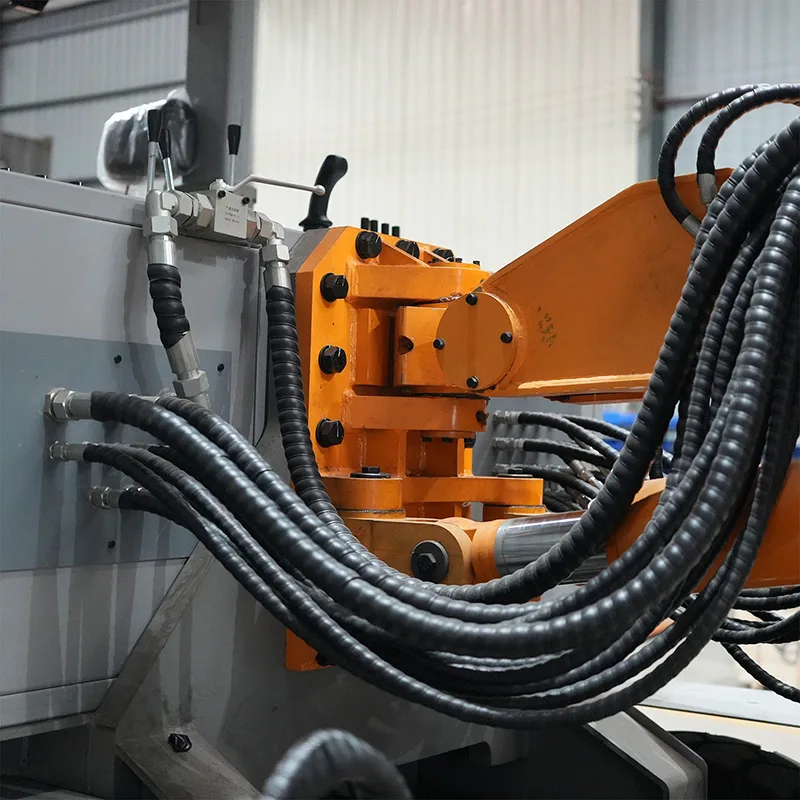
A drilling rig is an integrated system of structural steel, fluid dynamics, and electrical control. Low-tier producers reduce quotation prices by substituting sub-par hydraulic pumps, valves, and electrical relays into non-critical spots.
This practice causes seal blowouts, erratic proportional control, and persistent valve body sticking. Demand a transparent Bill of Materials (BOM) specifying every major mechanical assembly before you issue an initial deposit.
Key tier-one component standards to verify include:
- Hydraulic Systems: Proportional load-sensing pumps and valves sourced from established makers like Bosch Rexroth, Parker, or Danfoss.
- Drifter / Rock Drill: High-frequency percussive units with clear maintenance rebuild intervals, whether proprietary designs or international drifter brands like Montabert.
- Powertrain: Industrial mining engines from Cummins, Deutz, or reputable mining-spec electric motor builders.
- Chassis Components: Heavy-duty planetary axles from Dana Spicer or Kessler, paired with enclosed multi-disc wet brakes for wet mine ramps.
Insist on verifiable component trace sheets. High Mean Time Between Failures (MTBF) depends entirely on original, traceable mechanical parts.
Q4: Which international mining safety standards and manufacturing quality certifications apply to the finished rig?
Operating heavy machinery in confined spaces requires rigorous safety compliance. Run-of-the-mill industrial certifications do not satisfy mine safety inspection standards.
Verify that the production facility adheres to strict manufacturing frameworks, such as ISO 9001 quality management systems. Verify that the rig cabin or protective canopy holds verified ROPS (Roll-Over Protective Structure) and FOPS (Falling Object Protective Structure) certifications compliant with ISO 3471 and ISO 3449.
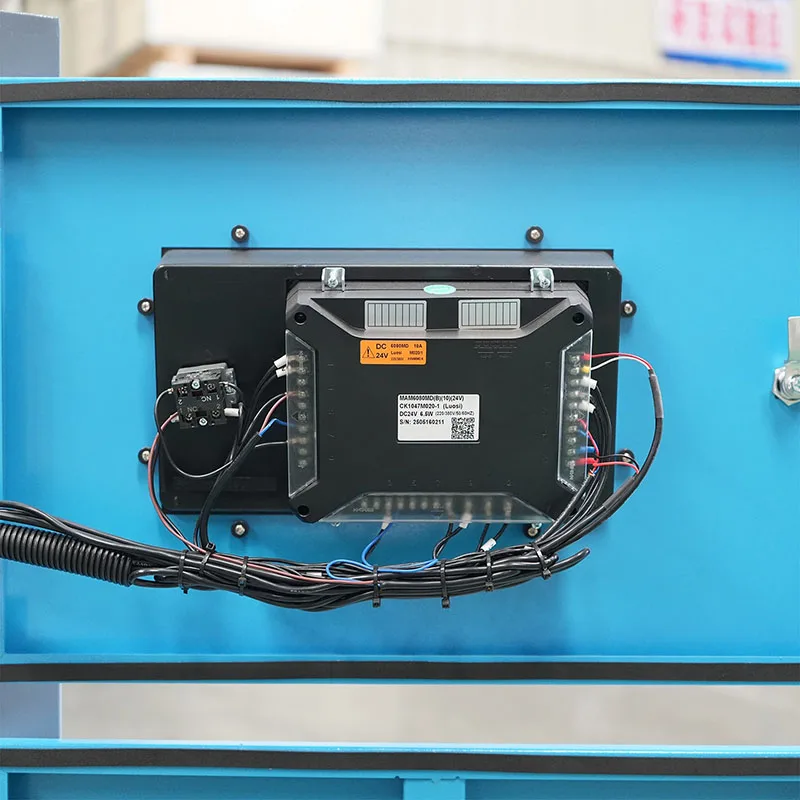
- Are electrical enclosures rated to minimum IP65 or IP67 standards to resist high-pressure water and corrosive mine runoff?
- Does the machine include emergency stop loops, seat interlocks, fire suppression integration, and hose-burst safety check valves on every hydraulic cylinder?
- Can the factory supply documentation compliant with local regulatory bodies, such as MSHA in North America, CE machinery directives in Europe, or regional mining safety boards?
Failure to verify certification documentation can leave your newly purchased drill jumbo quarantined on the surface by local mining health and safety inspectors.
Q5: What standard protocols are included in your pre-shipment Factory Acceptance Test (FAT)?
Never permit an underground drill rig to leave the factory floor without documented performance testing. Rectifying a hydraulic fluid leak or an electrical logic bug inside a dark drift takes ten times longer than addressing it in an assembly bay.
Require the underground drilling rig factory to execute a rigorous FAT run. Request high-definition video documentation and digital sensor logs showing continuous operation under working hydraulic pressure.
A complete FAT must verify:
- Continuous pressure relief validation across primary and auxiliary hydraulic manifolds.
- Hydraulic oil temperature stabilization under prolonged load cycling to test cooler efficiency.
- Full articulation, oscillation, boom extension, and feed-tilt functional cycles.
- Carrier tramming, gradeability stall testing, and emergency dynamic braking checks.
Companies like Aivyter run structured FAT sequences before packing equipment, providing customers with complete inspection logs, pressure charts, and performance sign-off certificates.
Part 3: Production Deadlines, Delivery, and Site Logistics
Q6: What is the binding production lead time, and what contractual remedies apply to delivery delays?
Industrial machinery production schedules can slip due to global component shortages, supply chain breaks, or workshop overbooking. However, unexcused delays severely disrupt mine development timelines, portal advance targets, and commercial loan schedules.
Clarify the exact manufacturing timeline from initial deposit payment to the scheduled Factory Acceptance Test. Tie delivery deadlines directly into the sales contract with defined Liquidated Damages clauses for unexcused factory delays.
A financially stable manufacturing facility plans production allocations transparently. They provide progress reports with photographic evidence at clear build milestones: chassis welding, mechanical powertrain integration, electrical harness routing, and final painting.
Q7: Can the machine be broken down modularly for cage lowering or narrow adit transport?
Getting a massive piece of equipment from the factory yard into your active production stope presents severe logistics challenges. Shaft cages have strict dimension and payload weight limits. Sub-level portals feature tight turn radii and low header beams.
Ask the factory engineering team if they have designed the carrier, boom, and feed structures for modular disassembly. Can the equipment split into manageable sections without compromising structural frame strength during reassembly?
- Does the factory apply match-marking tags to hydraulic hoses and electrical bundles to prevent cross-connection errors during underground reassembly?
- Are major sub-assemblies fitted with balanced lifting eyes marked with verified tare weights?
- Does the manufacturer provide an illustrated field assembly manual specific to the modular shipping configuration?
A qualified underground machinery manufacturer anticipates transport hurdles and prepares the machine for safe transit down steep winzes, shaft hoists, and declining haulage ramps.
Part 4: Aftermarket Support, Spare Parts, and Lifecycle Cost
Q8: What is your spare parts inventory strategy and emergency dispatch protocol?
A mining machine is only as dependable as its supply of wear parts and replacement components. Rock drills, feed slides, bushings, hydraulic seals, and shank adapters consume wear items at a rapid, predictable pace.
Question the supplier closely on their international parts logistics: Where are their regional parts warehouses located? What is the standard air-freight dispatch lead time for emergency breakdown packages?
Establish a guaranteed parts supply agreement. Reliable manufacturers retain spare parts for at least 10 years after a model variant phases out of production.
Before issuing a purchase order, require the factory to provide a priced Consumable Spare Parts Catalog for 2,000 hours, 5,000 hours, and 10,000 hours of continuous operation. This catalog allows your procurement team to budget Total Cost of Ownership (TCO) accurately instead of relying solely on baseline purchase price.
Q9: Do you dispatch experienced field service engineers for on-site commissioning and crew training?
Modern underground drill rigs integrate complex electro-hydraulic controls. Leaving local mine mechanics to decipher unfamiliar schematics without support invites operational failure.
Determine whether the underground drilling rig factory deploys factory-trained field service engineers directly to your mine site for initial underground commissioning. On-site commissioning ensures proper accumulator charging, system pressure optimization, and fluid cleanliness monitoring.
- Will their engineers train mine operators on correct drilling posture, anti-jamming controls, and collar-hole techniques?
- Do they provide hands-on training for maintenance crews covering hydraulic filter care, valve troubleshooting, and systematic electrical tracing?
- If political borders or logistical limits prevent travel, what digital remote diagnostics and live engineering support tools do they deploy?
Proper operator and maintenance training prevents premature mechanical failures, lowers hydraulic contamination incidents, and increases overall drill productivity.
Q10: What specific terms define your warranty coverage and operational dispute resolution?
A generic “12-month warranty” statement on a proforma invoice provides little protection. You need exact contractual definitions detailing what components are covered, when coverage starts, and how claims are processed.
Clarify whether the warranty begins upon factory departure (FOB/CIF terms) or after verified commissioning at the mine site. A three-month ocean transit and port customs delay can consume an early warranty before the equipment ever drills its first blast round.
Demand clarity on split warranties:
- What is the structural warranty on the primary chassis, boom mounts, and feed beams? (Typically 2 to 3 years or defined working hours).
- What is the warranty period for major hydraulic components (pumps, proportional valves, drifter bodies) versus general electrical switches and wear pads?
- How fast does the factory process warranty claims? Do they immediately air-freight replacement components, or must the failed part be returned and inspected first?
Transparent manufacturers maintain documented, user-friendly warranty programs that limit costly downtime disputes.
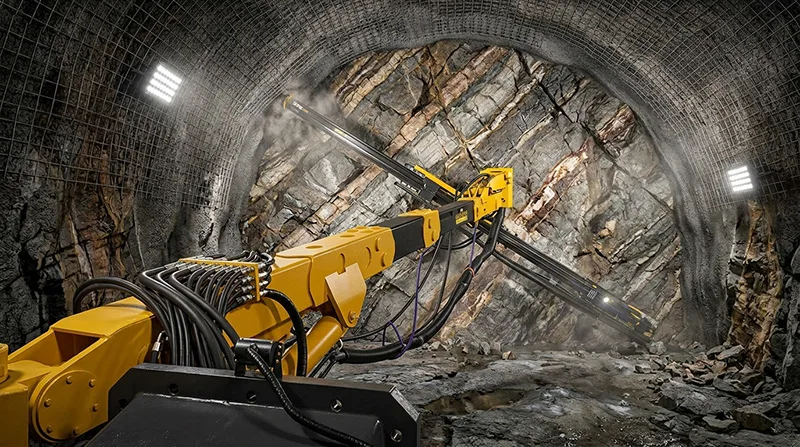
Warning Flags to Watch Out For During Supplier Evaluations
When collecting quotations from international suppliers, watch for these common operational warning flags:
- Prices 40% Below Industry Average: Structural steel, high-tensile fasteners, and tier-one hydraulics cost money. Unrealistically cheap prices indicate structural shortcuts, non-spec hydraulic valves, or recycled carrier components.
- Vague Component Identifiers: Spec sheets that list components generically as “High-Quality Chinese Brand” or “International Standard Pump” hide low-tier hardware. Demand specific component brand names and model numbers.
- Refusal of Live Video Feeds: If a sales representative refuses a simple live video call into the machining workshop, you are likely negotiating with a third-party trader working out of a commercial office.
- Unwillingness to Put Technical Promises in Writing: Any verbal promises regarding drill speeds, fuel burn rates, or delivery dates must appear explicitly in the signed commercial contract.
Factory Comparison Evaluation Matrix
Use this evaluation matrix to score prospective drilling rig factories during your tender process:
| Evaluation Category | Critical Checkpoint | Target Standard |
|---|---|---|
| Manufacturing Proof | Physical plant audit | Verified CNC fabrication, robotic welding, certified test track |
| Hydraulic Standard | Pumps and valve blocks | Tier-one traceable brands (Rexroth, Parker, Danfoss) |
| Safety Design | Operator cabin protection | Certified FOPS/ROPS, integrated fire suppression, safety interlocks |
| Factory Testing | FAT documentation | Continuous load cycle data, pressure relief logs, full video sign-off |
| Lifecycle Support | Wear parts availability | Guaranteed 10-year parts support with rapid air-dispatch terms |
Frequently Asked Questions (FAQ)
Q1: Why should our mine purchase directly from an underground drilling rig factory instead of an equipment broker?
A1: Buying directly from a dedicated manufacturer cuts middleman markups, gives you direct access to mechanical design engineers for custom modifications, accelerates genuine spare parts delivery, and ensures accountability for warranty service and technical updates.
Q2: How long does a factory take to build a custom underground drilling rig?
A2: Lead times range from 60 to 120 days depending on chassis scale, boom complexity, hydraulic specifications, and engine emissions tier. Production timelines fluctuate based on global supply chains for core components like drifters, hydraulic pumps, and planetary axles.
Q3: Can an underground drilling rig factory build equipment for low-profile mining stopes?
A3: Yes. Experienced manufacturers engineer specialized low-profile (LP) and ultra-low-profile (ULP) drill jumbos. These compact designs reduce carrier height and chassis width while maintaining operator safety, boom reach, and drilling power in narrow-vein underground stopes.
Q4: What is the most important technical item to inspect during a mining machinery factory audit?
A4: Focus on the hydraulic clean room and weld quality inspection records. Contaminated hydraulic systems cause up to 80% of premature machine failures in the field. Ultrasonic weld testing on structural booms, feed beams, and chassis stress points confirms structural durability under heavy percussion drilling.
Q5: How does Aivyter manage spare parts and service support for international mine sites?
A5: Aivyter maintains comprehensive parts inventories for consumables, seals, and critical hydraulic components. We supply custom 2,000-to-5,000-hour maintenance spares packages with every machine and provide remote engineering support alongside overseas field service dispatches.
Final Thoughts: Protect Your Capital Investment
Procuring an underground drill jumbo represents a major capital expenditure (CapEx) that directly dictates your mine’s rate of advance, operating costs (OpEx), and worker safety. Never base your purchase decision solely on the initial quotation price.
A reliable underground drilling rig factory operates with total technical transparency. They provide clear component documentation, welcome rigorous quality audits, verify safety compliance, and stand behind their equipment with reliable field support throughout its service life.
Ready to equip your underground operations with field-proven machinery?
Connect directly with the engineering specialists at Aivyter today. Send us your mine drift profiles, drill hole specifications, and ground condition requirements to receive an engineered equipment proposal and schedule a live virtual factory audit.
about
Aivyter
We provides trusted air compressors and mining equipment, engineered for durability, efficiency, and demanding industrial applications.