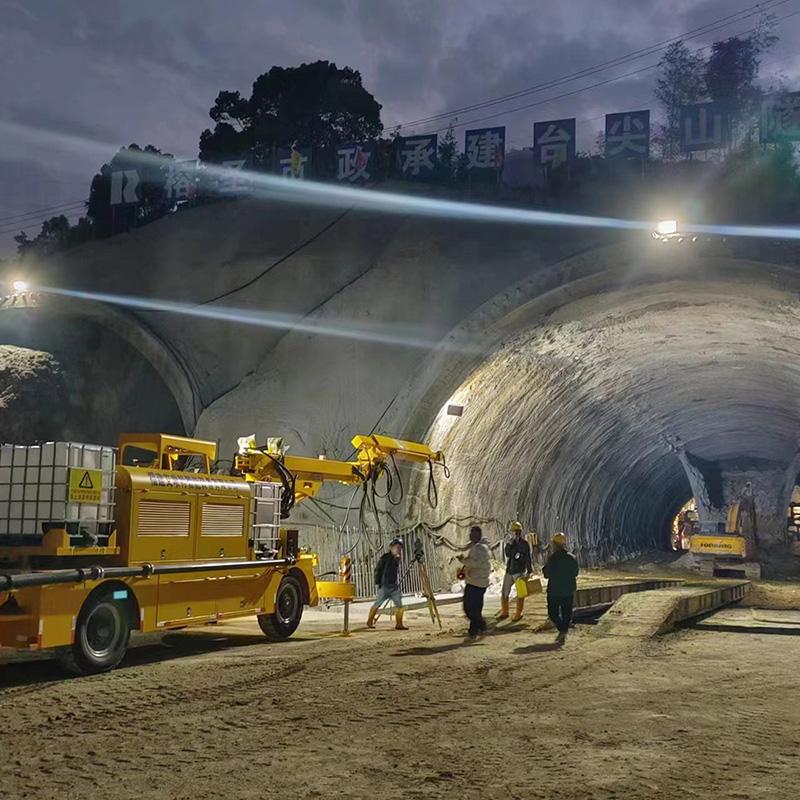
Across the global mining sector—from deep-level gold mines in South Africa to large-scale copper operations in South America—the selection and deployment of a mining drill rig directly influences project economics, development rates, and safety performance. With ore grades declining and operational depths increasing, mine operators are under sustained pressure to maximize meters drilled per shift while minimizing total cost of ownership (TCO). This article provides a comprehensive, data-driven examination of modern drill rig technologies, fleet optimization strategies, and the engineering principles that separate high-performance operations from the rest.
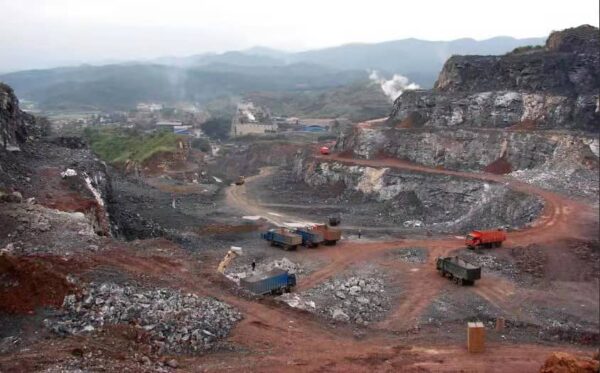
1. The Evolution of Drilling Technology: From Pneumatics to Intelligent Electro-Hydraulics
The past two decades have witnessed a fundamental transformation in underground and surface drilling. Traditional pneumatic drifters, while still present in some operations, have been largely superseded by electro-hydraulic mining drill rig systems that offer significantly higher penetration rates (up to 2.5 m/min in medium-hard rock), lower energy consumption per meter, and reduced noise exposure for operators. Key technological milestones include:
- Intelligent Control Systems: Modern rigs integrate PLC-based drill parameter optimization, automatically adjusting feed force, rotation speed, and percussion pressure based on real-time rock hardness feedback. This adaptive control reduces bit wear by 15–20% and eliminates operator-induced inefficiencies.
- Telemetry & Fleet Management: IoT-enabled rigs transmit drilling data (penetration rates, rod wear, hydraulic temperature) to central platforms, enabling predictive maintenance and shift-by-shift performance benchmarking.
- Automated Rod Handling: Automated rod changers and carousels allow continuous single-pass drilling up to 30–50 meters without manual intervention, dramatically increasing safety by removing operators from the hazardous zone near the mast.
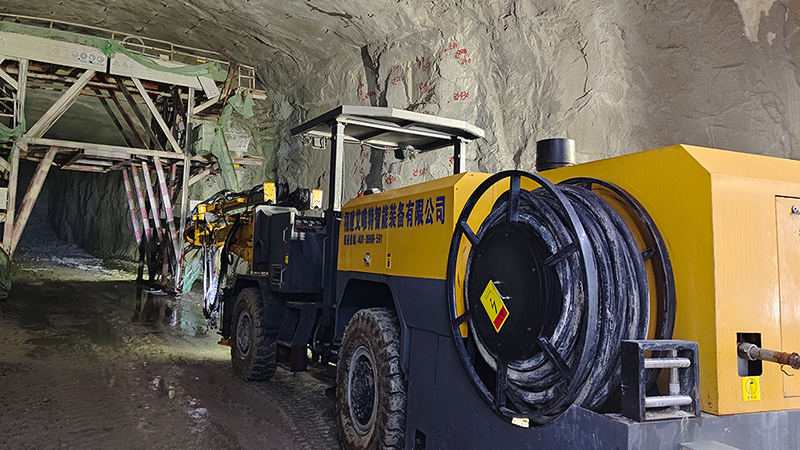
For operations evaluating fleet upgrades, the productivity gains from switching to a modern electro-hydraulic face drilling rig typically yield payback periods under 18 months when accounting for reduced maintenance labor, lower consumables cost, and increased advance rates.
2. Classifying Mining Drill Rigs: Application-Specific Configurations
Selecting the correct mining drill rig requires matching the machine’s design parameters to the specific mining method and development cycle. Below is a structured breakdown based on primary applications.
2.1 Face Drilling Rigs (Development)
- Used in underground drifting and tunneling to drill blast holes for heading advance.
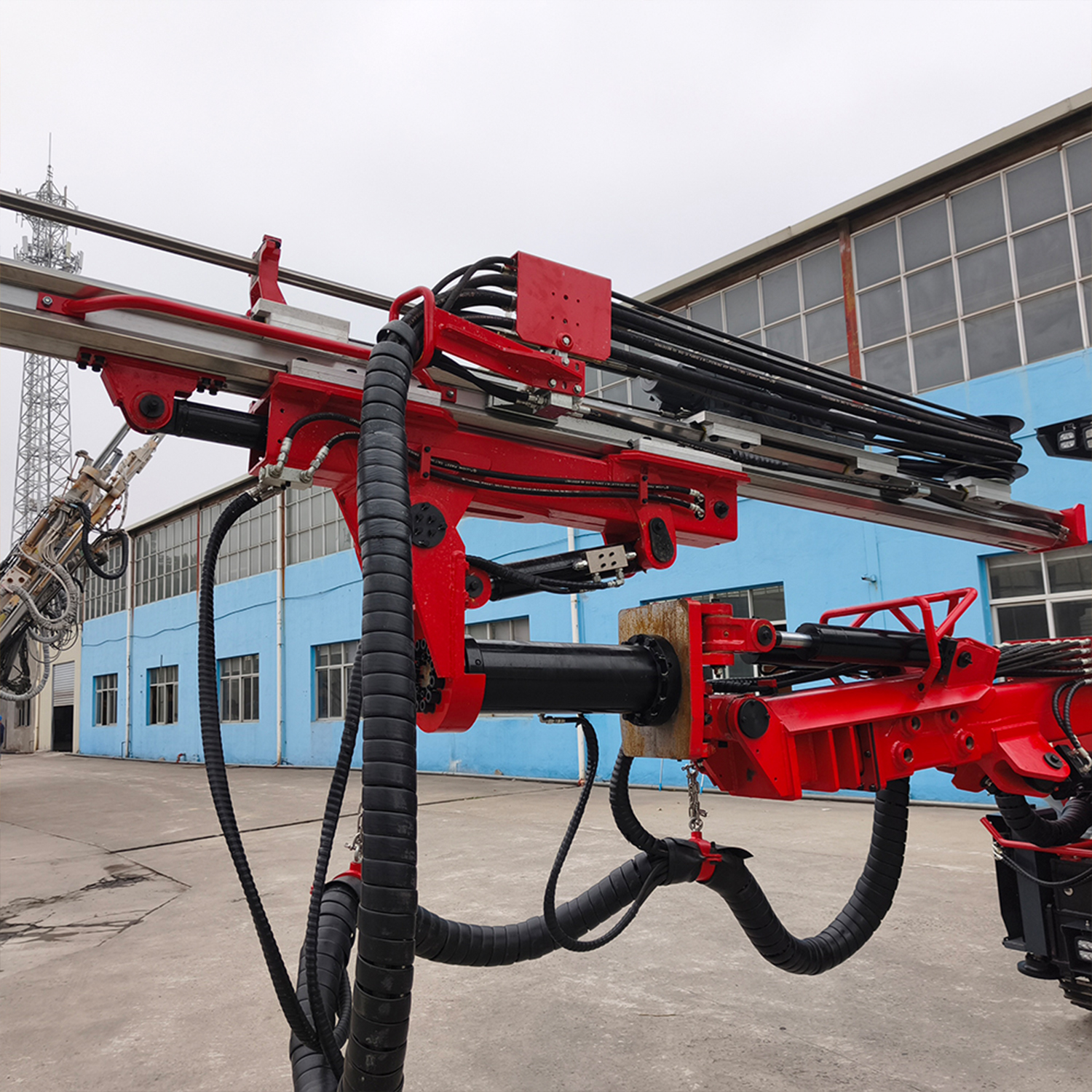
- Typically equipped with one or two booms (single-boom for narrow vein, twin-boom for large cross-sections up to 50 m²).
- Key specifications: hole diameter 35–64 mm, depth up to 5.1 meters, with automated boom positioning for precise pattern adherence.
2.2 Production Drilling Rigs
- Designed for longhole stoping, fan drilling, and ring drilling in block caving or sub-level stoping.
- Feature high-torque drifters capable of drilling holes up to 165 mm diameter to depths exceeding 50 meters.
- Integration with navigation systems ensures accuracy within 0.5% over hole length, minimizing dilution and ore loss.
2.3 Surface Drill Rigs
- Track-mounted or wheeled units for blast hole drilling in open pit mines.
- DTH (down-the-hole) hammers dominate for large-diameter holes (152–311 mm); rotary drills for softer formations.
- Autonomous drill systems now operate in major pits, executing pattern drilling with GPS guidance and remote supervision.
Each category requires specific engineering considerations: underground rigs demand compact dimensions and low-profile designs (e.g., 2.3 m height for narrow-vein applications), while surface units prioritize mobility and dust suppression systems to meet environmental regulations.
3. Operational Efficiency: Metrics That Define High-Performance Drilling
Beyond raw penetration rate, sophisticated operators evaluate mining drill rig performance through a set of interlinked metrics that drive overall mining cost structure.
- Meters Drilled per Shift: Industry benchmarks for face drilling range from 120–180 m/shift for single-boom rigs in competent rock, up to 250–300 m/shift for twin-boom units with automated rod handling. Production drilling targets vary widely, but top-tier operations achieve >450 m/shift with longhole rigs.
- Bit Consumption (meters per bit): In hard abrasive rock (UCS >150 MPa), carbide button bits may last only 300–500 meters. Advanced rigs with percussion optimization can extend bit life by 20–30% through precise pressure control.
- Utilization Rate: The gap between scheduled operating hours and actual drilling hours. Best-in-class fleets maintain 75–85% utilization through disciplined maintenance, rapid setup, and shift-change efficiency. Poor utilization often stems from ancillary equipment mismatches (e.g., insufficient mucking capacity) rather than drill rig capability.
- Drill Accuracy & Dilution: In production drilling, deviation exceeding 2% over 40 meters can increase dilution by 5–10%, directly impacting mill feed grade. Modern navigation systems with laser profiling reduce deviation to under 1%.
Data collected from a 2023 industry study across 15 underground mines showed that operations with standardized rig fleets and centralized performance monitoring achieved 18% higher advance rates and 22% lower consumable costs compared to those with mixed-vendor fleets managed reactively.
4. Automation Levels: From Assisted Operation to Full Autonomy
Automation in mining drill rig technology exists on a spectrum. Understanding the distinct levels helps in aligning investment with operational objectives.
- Level 1 – Manual with Instrumentation: Operators control all functions but receive digital feedback on depth, angle, and hydraulic pressures. Basic level; suitable for small mines with variable ground conditions.
- Level 2 – Semi-Automated: Drilling cycle (percussion, rotation, feed) is automated via PLC; operator manages boom positioning and pattern navigation. This level reduces operator fatigue and delivers consistent hole quality.
- Level 3 – Full Pattern Automation: The rig executes pre-programmed drill patterns using laser or camera-based navigation. Operator acts as a supervisor, overseeing multiple rigs from a remote control room. This configuration is standard in large-scale underground mines and eliminates personnel exposure in unsupported ground.
- Level 4 – Autonomous Fleet: Rigs operate under a fleet management system with collision avoidance, autonomous navigation to waypoints, and automatic pattern execution. Pit surface operations have demonstrated Level 4 autonomy for over a decade; underground adoption is accelerating with the maturation of LTE/5G networks.
The economic case for automation often centers on safety (removing operators from the line of fire) and labor efficiency. One major operator reported a 40% reduction in drilling cycle time after deploying Level 3 automation on their production fleet, achieved by eliminating non-productive repositioning and parameter tuning delays.
5. Maintenance Strategies: Maximizing Uptime in Harsh Environments
The operational environment of any mining drill rig is characterized by vibration, dust, moisture, and potential for impact damage. A reactive maintenance approach inevitably leads to unplanned downtime, costing thousands per hour in lost development. Leading operators employ a three-tiered reliability strategy:
- Condition-Based Monitoring (CBM): Sensors track hydraulic oil cleanliness (ISO 4406), drifter vibration signature, and feed motor current draw. Algorithms flag anomalies (e.g., increased iron particle count) before component failure occurs.
- Modular Component Design: Modern rigs are engineered with modular drifter cassettes and power packs that can be swapped in under two hours, allowing major component rebuilds to occur in a workshop environment while the rig remains operational with a replacement module.
- Preventive Schedules with Reliability Centered Maintenance (RCM): Standardized intervals for boom bushing replacement, feed rail lubrication, and hose assembly checks. Data from telemetry systems refines these intervals—for example, extending greasing intervals in dry rock conditions to reduce overservicing.
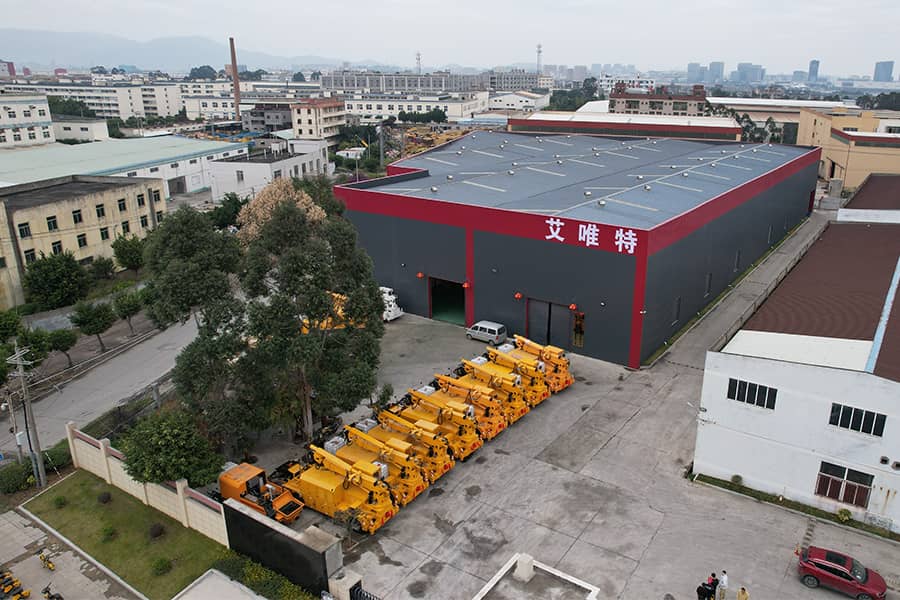
Partnering with an experienced equipment provider such as Aivyter ensures that maintenance protocols are tailored to specific site conditions, with field service support and spare parts logistics integrated into the contract. Aivyter’s engineering team conducts quarterly performance reviews, analyzing drilling KPIs to identify opportunities for further optimization.
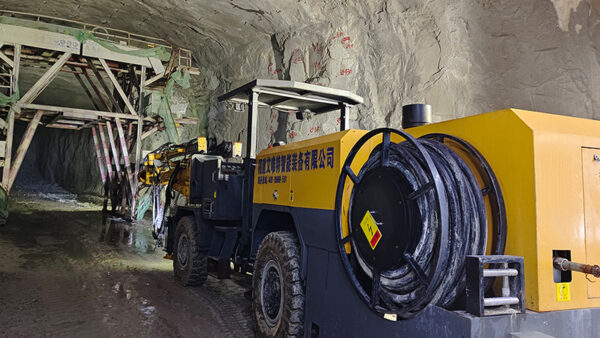
6. Fleet Optimization: Standardization and Lifecycle Cost Modeling
Mine operators frequently fall into the trap of managing a heterogeneous fleet—multiple brands, model years, and maintenance histories. This increases inventory complexity, training requirements, and overall operating costs. A lifecycle cost model applied to mining drill rig fleets reveals that standardization yields measurable benefits:
- Spare Parts Inventory Reduction: A single rig platform reduces stocked SKUs by 40–60%, freeing working capital and lowering obsolescence risk.
- Operator Familiarity: Common controls and maintenance procedures across rigs reduce training time and improve shift-to-shift consistency.
- Higher Residual Value: Standardized fleets command better resale or trade-in values due to established service histories and parts availability.
Lifecycle costing should incorporate: acquisition cost, major rebuilds at 8,000–10,000 operating hours, consumables (bits, rods, hydraulic oil), and expected disposal value. Data from operations with well-documented TCO show that an optimized fleet strategy reduces cost per meter drilled by 12–18% compared to non-standardized approaches over a 5-year period.
7. Case Study: Transition to Advanced Drilling in a Narrow-Vein Operation
A Canadian gold mine operating with 2.5 m average vein width faced persistent challenges: overbreak leading to dilution, slow advance rates due to manual rod handling, and high maintenance costs on aging pneumatic rigs. After evaluating alternatives, the mine deployed two electro-hydraulic mining drill rig units equipped with automated boom positioning and telemetry. Within six months:
- Advance rates increased 35%, from 3.2 m to 4.3 m per production shift.
- Dilution was reduced from 18% to 9% due to precise wall control enabled by laser-guided pattern execution.
- Drill consumable costs dropped 27% as the intelligent control system minimized rod and bit stress.
- Maintenance downtime decreased from 11% of scheduled hours to 4%.
The mine credited the rapid ROI to rigorous operator training on the new controls and the integration of fleet management software that highlighted shift-to-shift variability, enabling targeted coaching. The success prompted the expansion of the fleet to three additional rigs within the same mining district.
8. Future Trends: Electrification, Autonomy, and Sustainability
As mining companies commit to decarbonization targets, the next generation of mining drill rig technology is shifting toward battery-electric and tethered electric platforms. Benefits include:
- Zero Diesel Particulate Emissions: Eliminates ventilation requirements for diesel equipment in underground mines, reducing capital and operating costs for ventilation systems (often 30–40% of underground mine energy consumption).
- Lower Heat Load: Battery-electric rigs generate significantly less heat than diesel-hydraulic counterparts, improving working conditions and reducing cooling demand.
- Increased Reliability: Fewer moving parts and simplified drivetrains contribute to higher availability.
Autonomous drilling continues to advance, with fully autonomous fleets now proven in both open pit and underground environments. The integration of AI-based geological modeling with real-time drill feedback allows for dynamic adjustment of blast patterns, further reducing dilution and optimizing fragmentation. Aivyter remains at the forefront of these developments, offering hybrid and fully electric rig options designed for the specific demands of deep underground and high-altitude mines.
9. Frequently Asked Questions (FAQ)
The selection and management of a mining drill rig represents one of the highest-leverage decisions for any underground or surface mining operation. Modern electro-hydraulic rigs equipped with automation, telemetry, and intelligent controls deliver measurable gains in meters drilled, reduction in consumable costs, and enhanced safety. By adopting a lifecycle cost approach, standardizing fleets, and leveraging partner expertise—such as the application-specific engineering provided by Aivyter—mining companies can transform their drilling operations into a strategic advantage, ensuring consistent productivity in the face of increasing operational complexity.
about
Aivyter
We provides trusted air compressors and mining equipment, engineered for durability, efficiency, and demanding industrial applications.