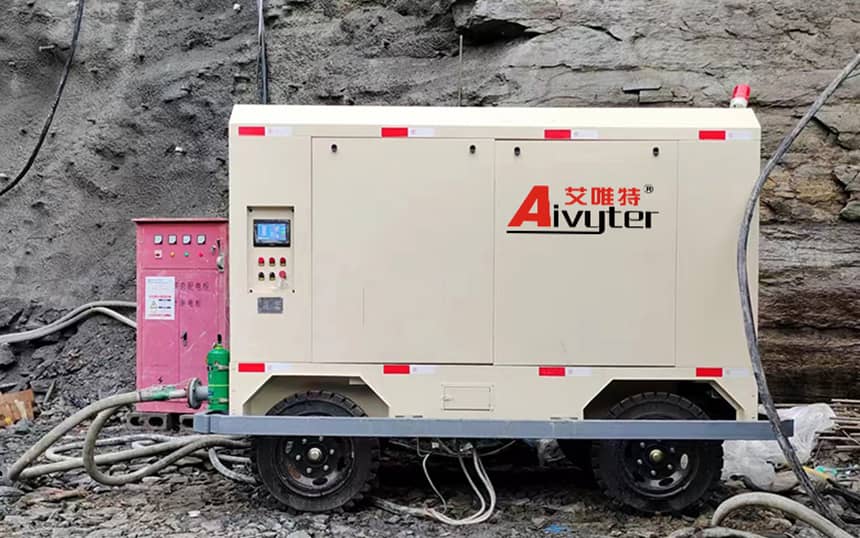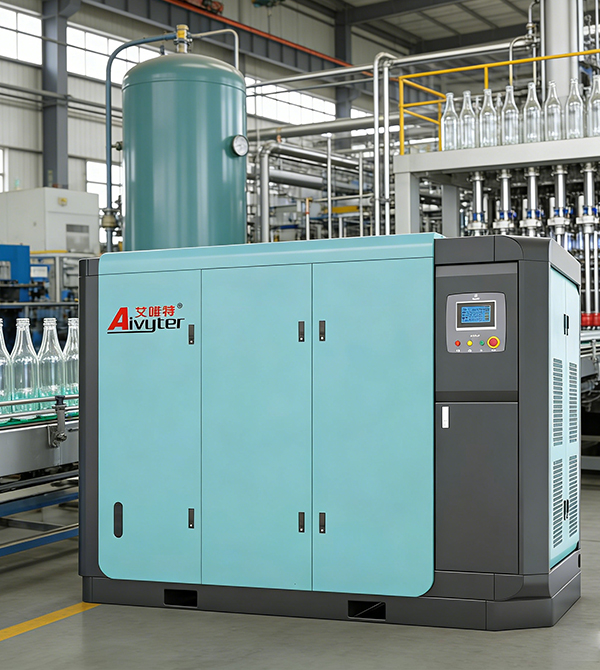
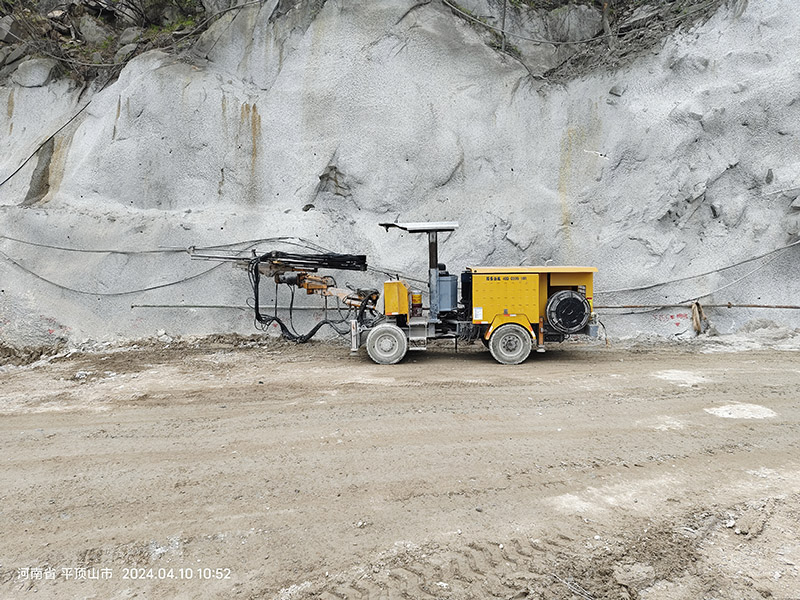
In mineral processing, tunneling projects, and continuous industrial manufacturing, the compressed air system acts as a silent workhorse. Among various compression technologies, the lubricated screw compressor (oil-flooded rotary screw compressor) remains the preferred architecture for 24/7 harsh environments. Unlike dry-running or piston alternatives, this design integrates lubricant for sealing, cooling, and component protection—directly addressing the durability demands of civil engineering and mining sites. This guide provides a component-level examination, application-specific challenges, and quantifiable solutions for asset managers and project engineers.
1. Core Mechanics of a Lubricated Screw Compressor
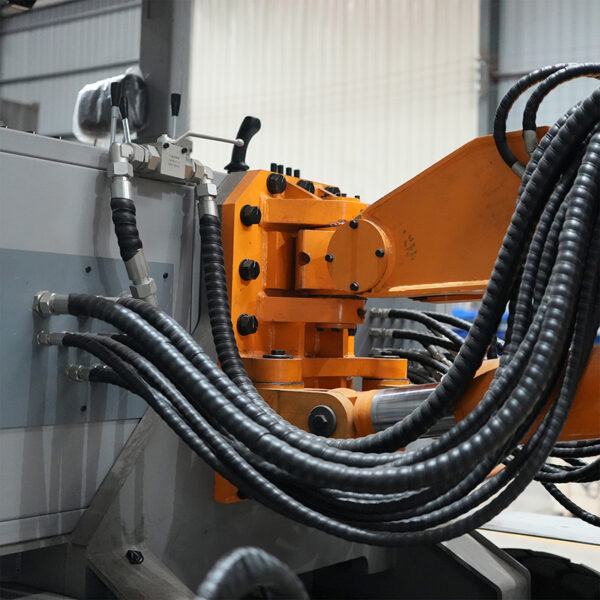
The operational principle relies on two intermeshing helical rotors (male and female) housed inside an airend. Lubricant is injected into the compression chamber during rotation, performing three critical tasks:
- Sealing clearances: Oil fills the microscopic gaps between rotors and housing, minimizing internal leakage and volumetric losses.
- Heat dissipation: The cool oil absorbs heat from the compression process, keeping discharge temperatures typically below 105°C, which prevents varnish formation and rotor expansion.
- Lubrication of bearings and timing gears: Extending component lifespan under continuous high loads (up to 8,000 hours between overhauls).
After compression, the oil-air mixture enters a separation vessel where mechanical coalescing filters reduce residual oil content to ≤3 ppm. Advanced separators combined with precision filtration stages guarantee downstream air quality suitable for pneumatic conveying, rock drills, and instrumentation. The thermodynamic cycle finishes with oil cooling (air-cooled or water-cooled) and return to the injection port.
2. Why the Lubricated Screw Compressor Dominates Mining & Construction
Surface and underground operations face dust, vibration, and wide temperature swings (-20°C to +50°C). In these settings, a lubricated screw compressor offers distinct advantages:
- Insensitivity to inlet dust: The oil film captures particulates before they reach rotors, reducing abrasive wear compared to oil-free designs.
- High compression ratios per stage: Achieves 7–13 bar in a single stage, eliminating the need for multi-stage setups in most tunneling jumbos or jackhammers.
- Simple load/unload control: Standard star-delta starters or variable frequency drives (VFD) match air supply to fluctuating demand of shotcrete equipment or raise boring machines.
- Spare parts commonality: Major brands share standardized oil filters, air filters, and coalescing elements—critical for remote mine sites with limited logistics.
Case studies from hard-rock mines in Western Australia show that modern rotary screw units achieve 95-97% availability even with preventive maintenance intervals at 2,000 hours.
3. Critical Performance Parameters for Site Selection
Engineering procurement teams must evaluate more than just free air delivery (FAD). The following technical specifications directly affect productivity:
3.1 Specific Power (kW/m³/min)
Industry benchmarks (ISO 1217 annex C) for lubricated screw compressors in the 37–160 kW range generally fall between 6.2 and 7.5 kW/(m³/min) at 7 bar. Mine operators should demand efficiency class IE3 motors and optional VSD integration, which reduces energy consumption by 20-35% under variable load profiles.
3.2 Oil Carryover & Replenishment Rate
Excessive oil consumption leads to fouled aftercoolers, increased fire risk in coal handling, and higher operating costs. A properly maintained unit should consume less than 0.2 mg of oil per standard cubic meter of air. For sites with no access to synthetic lubricants, Aivyter recommends food-grade or biodegradable oils for environmental compliance.
3.3 Pressure Dew Point & Aftercooler Performance
Typical lubricated screw compressors deliver air at 20-30°C above ambient. Adding a refrigerated or desiccant dryer is often mandatory for instrumentation or sandblasting applications. Our engineering team at Aivyter provides integrated dryer-compressor packages with matched pressure drops below 0.25 bar.
4. Industry Pain Points: Operational Failures & Root Causes
Despite robust design, operators encounter recurring issues that escalate repair costs. Here we map each symptom to a technical countermeasure:
- High discharge temperature (>110°C): Often caused by insufficient oil cooler airflow, clogged radiator fins, or degraded viscosity. Solution: thermal imaging inspections and switching to PAO-based synthetic lubricants that resist coking.
- Excessive oil carryover: Indicates a ruptured coalescing separator or blocked scavenge line. Implementing differential pressure monitoring (recommended change at 0.8 bar ΔP) reduces oil losses by 60%.
- Volumetric efficiency drop (more than 12%): Worn rotor coatings or bearing clearance increase blow-by. Rebuilt airends or replacement with a modern lubricated screw compressor restores original FAD.
- Water condensation inside oil sump: Occurs when the unit runs unloaded for extended periods in humid climates. Installing a water drain valve or maintaining a minimum load ratio above 40% prevents emulsification.
Properly addressing these failures through predictive maintenance reduces total downtime cost by an average of €12,000 per year for a mid-size quarry.
5. Energy Efficiency Roadmap: From Load Profile to Heat Recovery
Air compressors account for up to 12-15% of industrial electricity use globally. For a lubricated screw compressor in a cement plant or metals mine, specific strategies yield measurable returns:
- Leak detection & pipe optimization: A typical site loses 25-30% of generated air through distribution leaks. Ultrasonic testing and repair provides ROI within 4 months.
- Centralized controller with sequencing: For multiple compressor rooms, a master controller automatically shuts down redundant units and balances runtime hours, cutting energy by 12-18%.
- Oil thermal recovery: Up to 75% of input energy can be reclaimed from the oil cooler and aftercooler as hot water or process pre-heating. In mining camps, this supplies showers and building heating, displacing diesel heaters.
- VSD retrofit: Applying variable speed drive on a 132 kW unit operating at average 65% load reduces annual energy cost by approximately €9,200 (at €0.10/kWh).
A comprehensive site audit, which Aivyter offers remotely, provides a detailed savings projection.
6. Selection Matrix for Harsh Environments – Mining, Tunnels & Offshore
Selecting a lubricated screw compressor for severe conditions requires evaluating additional design features:
| Environment factor | Required specification | Recommended accessory |
|---|---|---|
| High ambient dust (silica, coal) | Inlet filter with pre-separator (MERV 15 or higher) | Cyclone pre-filter + differential pressure alarm |
| Elevated ambient temperature (>45°C) | Larger oil cooler core and thermostatic bypass valve | External water-glycol cooling loop |
| Corrosive atmosphere (seaside, chemical) | Epoxy-coated coolers and stainless steel piping | NEMA 4X / IP55 control panel |
| Low temperature start (-15°C) | Oil sump heater and viscosity-class ISO VG 46 synthetic | Thermostatically controlled crankcase heater |
For underground mining, flameproof enclosures (ATEX / MSHA certified) and canopy designs with reinforced lifting lugs are mandatory. Always consult OEM engineering data to match pressure and flow to specific rock drills (e.g., COP 1638 or Drifter D55).
7. Maintenance Best Practices to Extend Service Life
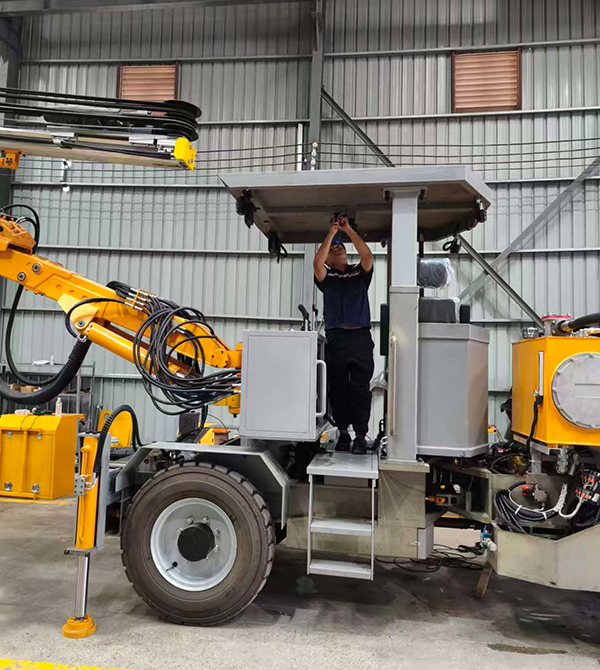
Following the manufacturer’s schedule is necessary but not sufficient for maximum asset longevity. Implement these four evidence-based procedures:
- Oil analysis every 500 hours: Monitor particle count (ISO 4406), water content (Karl Fischer), and TAN (total acid number). Set alarm limits for Fe > 50 ppm or Si > 20 ppm.
- Air filter restriction measurement: Replace when ∆P exceeds 25 mbar. Using high-efficiency air intake filters reduces rotor wear by factor 3.
- Separator blowdown valve check: This normally open valve must close rapidly on startup; a stuck blowdown wastes air and degrades oil quality.
- Coupling alignment verification: With laser alignment tools every 4,000 running hours to prevent bearing overload.
When maintenance logs show a trend of rising vibration (above 7 mm/s RMS) at the drive-end bearing, plan for airend replacement. Rebuilding a lubricated screw compressor usually restores 90-95% of original efficiency.
8. Frequently Asked Questions (FAQs)
Q1: What is the typical lifespan of a lubricated screw compressor in mining service?
A1: With rigorous maintenance (oil changes every 2,000h, separator every 4,000h), the airend can last 40,000–60,000 running hours. Electric motor bearings and cooler cores may need replacement at 30,000 hours. Many units used in gold mines exceed 15 years of intermittent operation.
Q2: Can a lubricated screw compressor be used for food-grade/breathing air?
A2: Direct use not recommended due to residual oil aerosol. However, adding a carbon activated filter bank and a high-efficiency particulate filter (HEPA) after the separator can achieve Class 0 oil-free air certified by ISO 8573-1. Consult local regulations for breathing air (EN 12021).
Q3: How do I choose between fixed-speed and VSD for a lubricated screw compressor?
A3: For applications with stable air demand >85% of nominal flow, fixed-speed is cost-effective. If your process varies widely (e.g., shotcreting with idle periods), VSD reduces part-load losses. Calculate payback: VSD premium amortized via energy savings if average load <80%.
Q4: What oil viscosity grade is recommended for extreme cold climates?
A4: Below -10°C ambient, switch to ISO VG 32 synthetic lubricant (PAO-based) with high viscosity index. For operation down to -25°C, install a thermostatic sump heater and use a low-pour-point hydraulic oil approved by compressor OEM.
Q5: How to reduce compressed air leakage in an aging piping network?
A5: Start with a night or weekend shutdown test—monitor the pressure decay rate. Leaks >0.5 bar/minute indicate serious losses. Use ultrasonic detectors to pinpoint leaks, and prioritize threaded connections, flanges, and condensate drains. Replacing quick-couplers with push-to-connect fittings can reduce leakage by 40%.
9. Next Steps: Project-Specific Consultation & Quotation
Selecting the correct lubricated screw compressor for your civil engineering, mining, or industrial plant involves evaluating FAD, pressure, ambient conditions, and control strategy. The engineering team at Aivyter provides:
- Free load profile analysis based on existing pneumatic tools.
- 3D CAD integration for compressor room layout and heat recovery designs.
- Cost modeling of ownership (CAPEX, energy, maintenance) over 5–10 years.
- On-site commissioning and remote IoT monitoring with predictive alerts.
Ready to optimize your compressed air reliability and reduce operating expenses? Send your project specifications or technical inquiry directly to our specialists. Every inquiry receives a detailed proposal with performance guarantees and lifecycle cost simulation.
→ Submit Inquiry to Aivyter Engineering ←
For immediate support, or to request a datasheet for explosion-proof lubricated screw compressors, contact our regional manager via the official inquiry form.
about
Aivyter
We provides trusted air compressors and mining equipment, engineered for durability, efficiency, and demanding industrial applications.