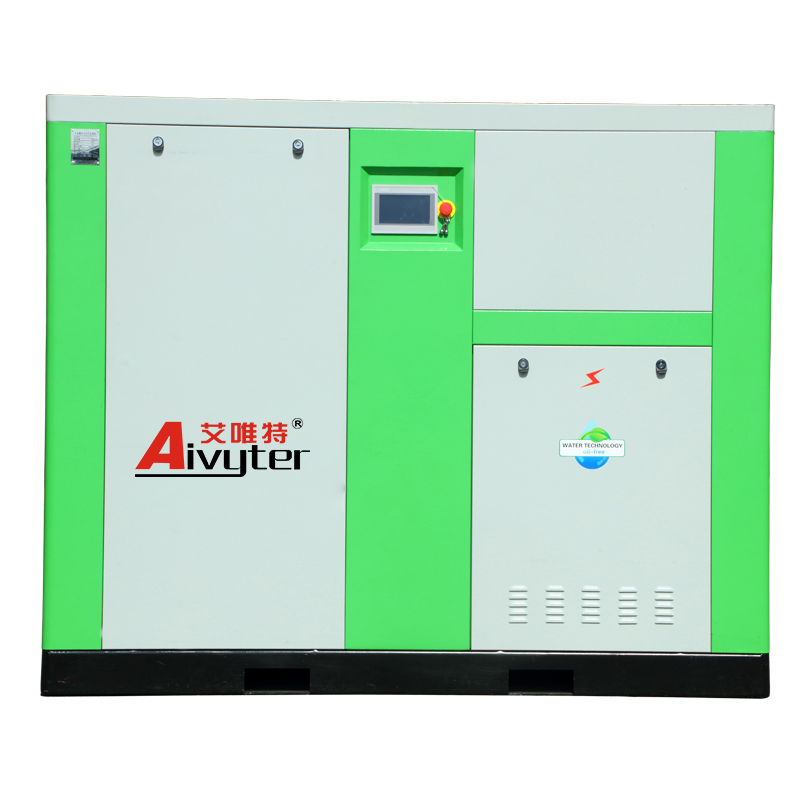
For mission-critical compressed air applications—from pharmaceutical production lines to underground mining operations—contamination from lubricants is not an option. Traditional oil-injected rotary screw compressors inevitably carry residual oil aerosols, liquid oil, and vapor into the discharge stream, compromising product integrity, fouling sensitive instrumentation, and increasing maintenance expenses. The engineering solution that eliminates this risk entirely is the oil free screw compressor, a class of machinery designed to deliver 100% contamination-free air without any lubricant in the compression chamber. This article provides a systematic analysis of dry-type and water-injected oil-free screw technologies, their performance characteristics, industry-specific implementation criteria, and total cost of ownership (TCO) comparisons, based on field data from heavy industries including mining, tunneling, and chemical processing.
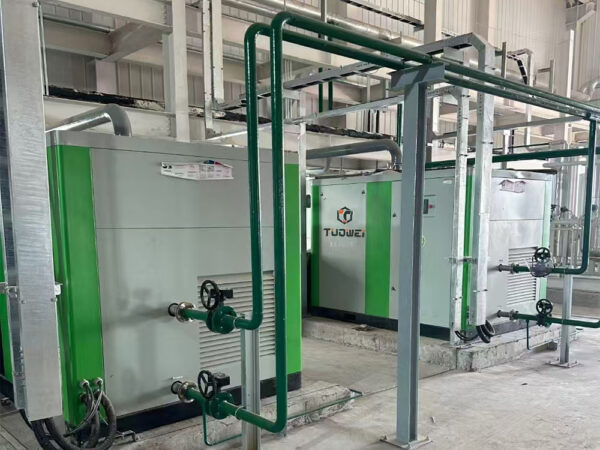
Why Oil Free Screw Compressor Technology Outperforms Traditional Lubricated Systems in Sensitive Environments
In sectors where compressed air directly contacts end products or breathing air systems, even trace amounts of oil can result in batch rejection, regulatory non-compliance, and health hazards. The hidden costs of oil-lubricated compression include:
- Downstream filtration investments: Multi-stage coalescing filters, activated carbon adsorbers, and catalytic converters add significant capital and operational expense.
- Risk of oil carryover during filter saturation: When differential pressure rises unnoticed, oil aerosols bypass filtration, contaminating pipelines and end-use equipment.
- Frequent maintenance intervals: Oil changes, separator element replacements, and disposal of used oil increase downtime.
- Product recalls and liability: For food, beverage, or pharmaceutical lines, an oil contamination event can cost millions.
By contrast, an oil free screw compressor removes these vulnerabilities at the source. With no oil in the airend, the discharged compressed air meets the most stringent purity standards without secondary purification. This is particularly vital for ISO 8573-1 Class 0 compliance, which demands no measurable oil content—neither aerosol, liquid, nor vapor.
Technical Anatomy: How an Oil Free Screw Compressor Achieves Purely Dry Compression
Dry-Type (Oil-Free) Rotary Screw Design
Modern oil free screw compressor units predominantly utilize a dry-running twin-screw mechanism. Male and female rotors operate inside a precision-machined housing without any lubricant in the compression zone. Key engineering features include:
- Synchronization gears: Timing gears mounted on each rotor shaft maintain microscopic clearances (typically 0.05–0.15 mm) without metal-to-metal contact.
- Air-cooled or water-cooled casing: Because no oil absorbs heat of compression, the airend requires external cooling jackets or intercoolers between stages.
- Labyrinth or carbon ring seals: High-integrity shaft seals prevent oil from gearbox and bearing sections migrating into the compression chamber.
- Special rotor coatings: PTFE or PEEK-based coatings minimize internal leakage and improve volumetric efficiency while resisting corrosion.
Water-Injected Oil-Free Screw Compressors – An Alternative Approach
Another variant uses water as both coolant and sealant. Water is injected into the compression chamber, then separated from the air stream via high-efficiency demisters. This design achieves near-isothermal compression, boosting energy efficiency. However, it requires water treatment systems to prevent bacterial growth and ensure proper pH levels. For applications demanding extreme purity and moderate pressure (up to 10 bar), water-injected oil-free screw technology offers a compelling alternative.
ISO 8573-1 Class 0 – The Non-Negotiable Benchmark for Oil-Free Certification
Many suppliers market compressors as “oil-free” if they meet Class 1 (≤0.01 mg/m³ oil carryover). True contamination-critical industries require Class 0 certification, which mandates that no oil whatsoever is detectable using current analytical methods (typically GC-FID or PID). A certified oil free screw compressor from a reputable manufacturer undergoes independent testing per ISO 8573-4 and ISO 8573-5. The implications for engineering procurement are substantial: specifying Class 0 equipment eliminates the need for downstream oil-removal filters, simplifies validation protocols, and reduces ongoing quality assurance costs.
Critical Applications Driving Demand for Oil Free Screw Compressor Systems
1. Underground Mining and Tunnel Construction
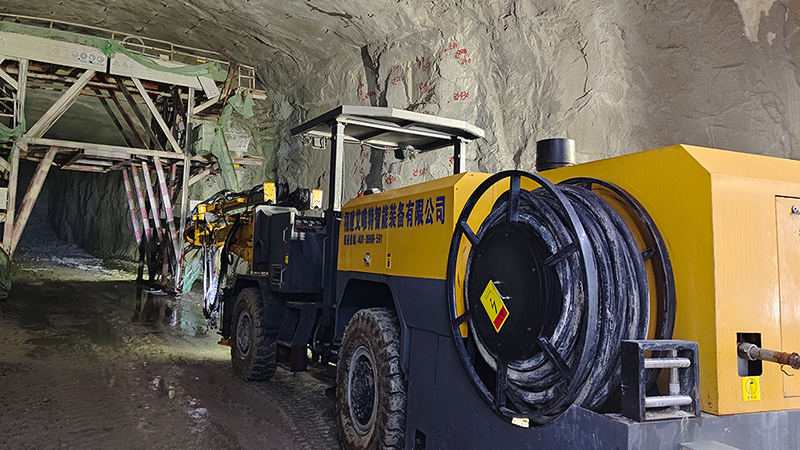
Mine ventilation systems, pneumatic controls, and personnel breathing air require absolute purity. Diesel-powered equipment already introduces particulates; adding oil mist from compressors worsens respiratory hazards. Mining-grade oil free screw compressors are designed with elevated intake filtration for dust-laden environments and corrosion-resistant cooling systems for high-humidity tunnels. Typical applications include:
- Pneumatic rock drills and roof bolters – oil carryover would cause sticking of precision valves.
- Instrument air for automated conveyor systems and slurry pumps.
- Breathing air refill stations for rescue teams and refuge chambers.
2. Pharmaceuticals and Biotechnology
In sterile manufacturing, compressed air often comes into contact with APIs (active pharmaceutical ingredients) or final dosage forms. An oil free screw compressor with Class 0 certification is mandatory for GMP (Good Manufacturing Practice) compliance. Additionally, oil-free systems prevent biofilm formation in distribution pipelines.
3. Electronics & Semiconductor Fabrication
Cleanrooms at ISO 14644-1 Class 5 or better cannot tolerate oil molecules that can cause wafer defects, mask misalignment, or bond failures. Oil-free screw compressors paired with dryers and high-efficiency particulate filters supply the ultra-clean air required for wafer handling, pneumatic actuators, and purge systems.
4. Food & Beverage Processing
Direct contact with edibles (e.g., mixing, conveying, packaging) mandates no accidental lubrication migration. HACCP plans and FSSC 22000 certifications explicitly require oil-free compressed air. The oil free screw compressor eliminates the need for FDA-compliant lubricants and reduces audit risks.
Total Cost of Ownership (TCO) Comparison: Oil Free vs. Oil-Injected Systems
While the initial capital cost of an oil-free screw compressor is typically 20–40% higher than an equivalent oil-injected model, a thorough TCO analysis over 10 years reveals competitive or lower lifetime costs for many high-purity applications. Key factors include:
- Elimination of oil separation elements: Oil-injected units require separator replacements every 4,000–8,000 hours (cost $500–$2,000 each).
- No oil disposal or top-up expenses: Industrial lubricant costs and hazardous waste disposal fees are avoided.
- Lower pressure drop: Without downstream oil removal filters, system pressure loss is reduced by 0.3–0.5 bar, directly improving specific energy (kW/m³/min).
- Longer overhaul intervals: Modern dry-type oil-free airends operate 50,000+ hours between major overhauls, compared to 25,000–30,000 hours for oil-injected airends.
- Energy recovery potential: Higher discharge temperatures (up to 220°C) from oil-free screw compressors enable more effective heat recovery for space heating or process preheating.
Key Selection Criteria for an Oil Free Screw Compressor System
Procurement engineers must evaluate the following parameters to match equipment to operational demands:
- Volume flow (FAD) and pressure: Oil-free units are available from 2 m³/min up to 150 m³/min, pressures from 4 to 13 bar. Oversizing leads to inefficient part-load operation; consider VSD (variable speed drive) models.
- Ambient conditions: For high dust or tropical environments, select compressors with oversized coolers, IP54 motors, and corrosion-resistant airend coatings. Aivyter offers customized packages for extreme mining and offshore conditions.
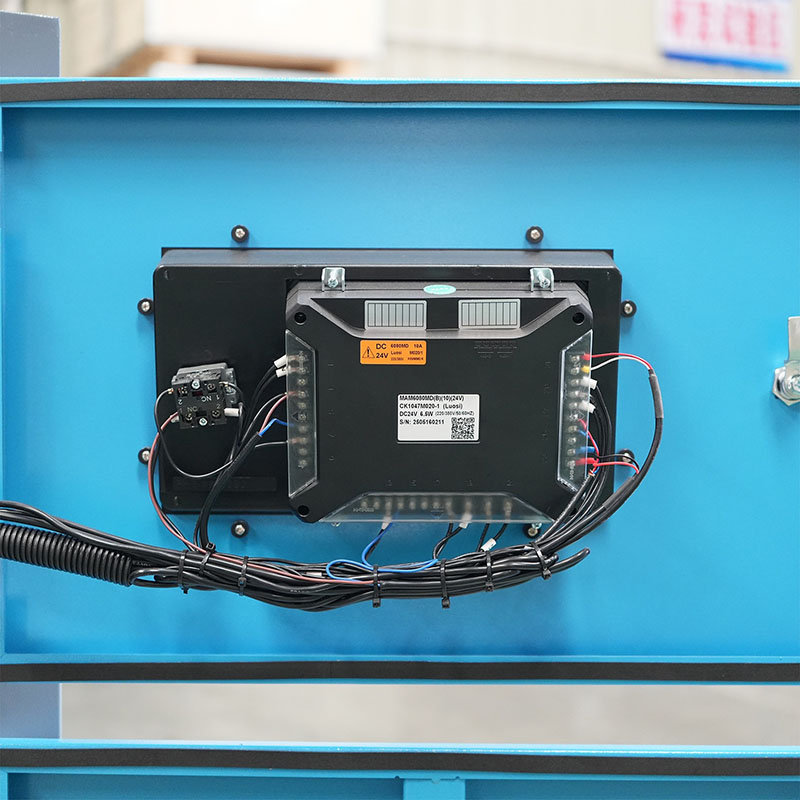
- Control system integration: Modern units feature PLC-based controls with remote monitoring (Modbus, Profibus, or OPC UA) for predictive maintenance and load sharing across multiple compressors.
- Drying and filtration integration: Even with oil-free compression, moisture must be removed. Specify refrigerant or desiccant dryers sized for the dew point requirement (e.g., -40°C for pneumatic controls).
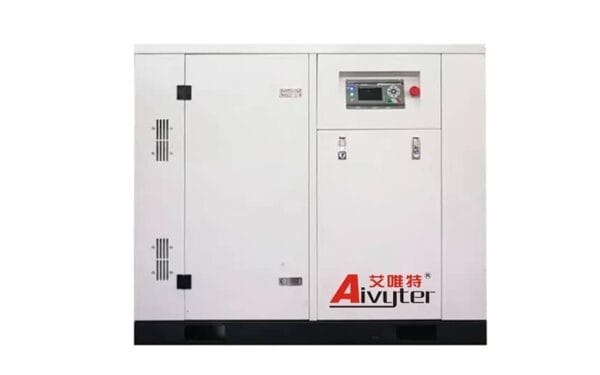
Why Aivyter Leads in Engineering Oil Free Screw Compressor Solutions for Heavy Industry
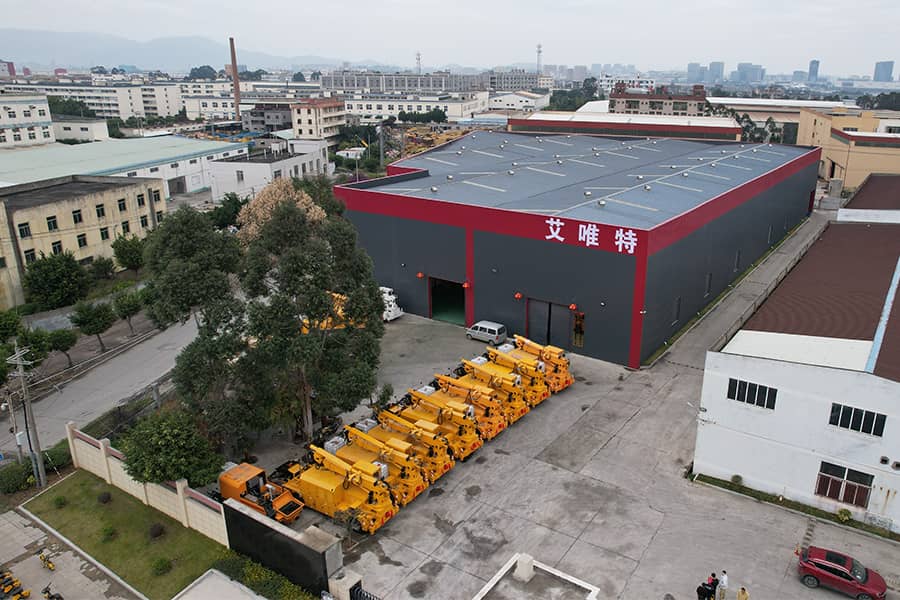
With over two decades of specialization in industrial air systems, Aivyter has developed a comprehensive portfolio of oil-free screw compressors designed for 24/7 operation in harsh environments. Our engineering approach focuses on:
- Robust airend design: Patented rotor profiles and stainless-steel timing gears that maintain efficiency even after 80,000 operating hours.
- Site-specific customizations: From high-altitude mining sites (up to 4,500 m) to high-temperature steel plants (ambient up to 55°C).
- Class 0 certification support: We provide full documentation and test reports to satisfy regulatory audits.
- Global service network: Rapid parts availability and remote diagnostics reduce mean time to repair (MTTR).
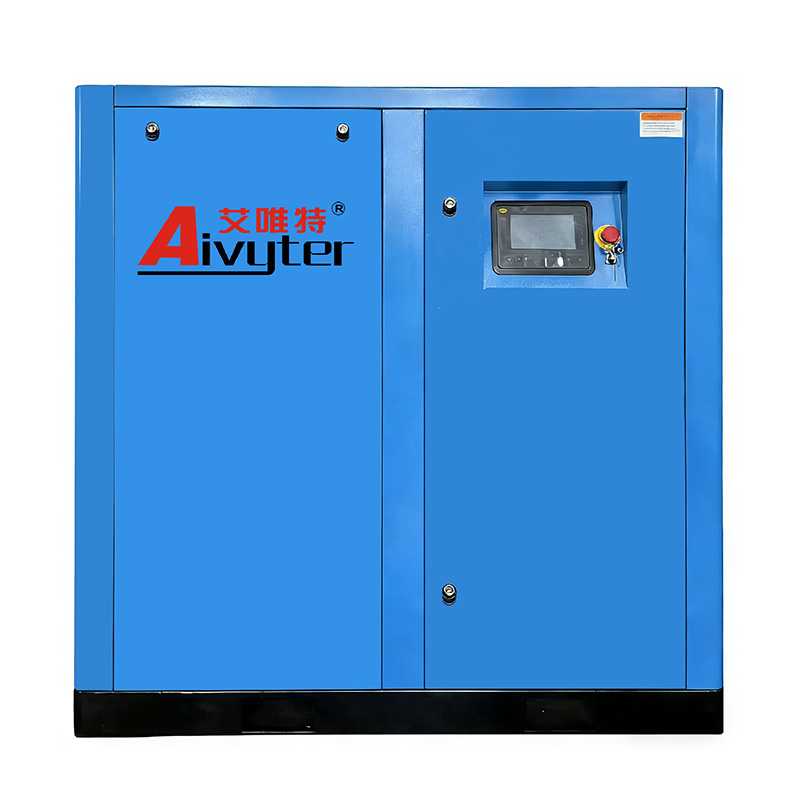
Aivyter’s oil-free screw compressor range includes both dry-running and water-injected series, each verified by TÜV or similar independent bodies for oil-free compliance. Our engineering team collaborates with clients during the specification phase to ensure optimal selection, avoiding both oversizing and undersizing pitfalls.
Maintenance Best Practices to Preserve Class 0 Performance
Even the most advanced oil free screw compressor requires disciplined maintenance to sustain efficiency and air purity. Recommended practices include:
- Intake air filter service: Replace or clean pre-filters and main filters at differential pressure alarms (typical interval 1,000–2,000 hours depending on dust load).
- Gearbox oil and seal monitoring: Although the compression chamber is dry, the gearbox and bearings use lubricant. Periodically check shaft seals for leaks via drain port inspection.
- Cooler cleaning: For dry-type compressors, intercooler and aftercooler fouling reduces efficiency. Schedule chemical cleaning or compressed air blow-down annually.
- Vibration analysis: Monitor bearing health and rotor alignment to prevent unplanned shutdowns.
- Water quality management (water-injected type): Maintain conductivity, pH, and biocide levels as per manufacturer specifications.
Future Trends: Digital Monitoring and Hydrogen Applications
The next generation of oil-free compression systems integrates IIoT sensors that continuously measure discharge oil content (via laser-induced fluorescence), temperature gradients, and real-time volumetric efficiency. These data streams feed into predictive algorithms that alert operators before efficiency degrades. Additionally, the green hydrogen economy demands oil-free compressors for hydrogen recirculation and refueling station air supply—applications where even trace hydrocarbons could poison fuel cell membranes. Dry-running oil free screw compressors are uniquely suited for this emerging sector.
Specifying the Right Oil Free Screw Compressor for Your Operations
Selecting an oil free screw compressor is a strategic decision that impacts product quality, regulatory standing, and operating costs. For industries where contamination carries severe consequences—mining, pharmaceuticals, electronics, and food processing—the elimination of oil at the source is the only defensible engineering choice. By understanding the technical distinctions between dry-type and water-injected designs, verifying Class 0 certification, and performing a life-cycle cost analysis, facility managers can achieve reliable, pure compressed air while reducing total expenditure over the equipment’s lifespan.
Frequently Asked Questions (FAQ) – Oil Free Screw Compressor Technology
Q1: What is the practical difference between an oil free screw compressor and an oil-lubricated rotary screw compressor for a mining site?
A1: In mining applications, oil-lubricated compressors require regular oil changes and separator replacements, and any seal failure leads to oil contamination in the air line—potentially damaging pneumatic tools and creating respiratory hazards underground. An oil free screw compressor eliminates all lubricant from the compression chamber, delivering inherently pure air. While the initial purchase cost is higher, it removes the risk of unplanned contamination-related downtime, which is especially valuable in remote mine sites where replacement filters may not be immediately available.
Q2: Can an oil free screw compressor achieve ISO 8573-1 Class 0 without any downstream filters?
A2: Yes, a properly designed dry-type or water-injected oil free screw compressor, when operating within its specifications, produces air that contains no measurable oil (aerosol, liquid, or vapor). However, it does not remove solid particulates or water vapor. Therefore, for most applications you still need particulate filters and a dryer to achieve the required purity class for solids and humidity. But oil-specific Class 0 is achieved at the compressor discharge without oil-removal filters.
Q3: How does ambient temperature affect the performance of an oil free screw compressor?
A3: Dry-type oil free screw compressors discharge air at higher temperatures (160–220°C) compared to oil-injected units. In high-ambient environments (above 45°C), the cooling system must be sized appropriately to avoid overtemperature shutdowns. Aivyter offers tropicalized packages with oversized coolers and forced-ventilation enclosures for hot climates. Conversely, cold ambient (below 5°C) requires intake air preheating or oil sump heaters for the gearbox to ensure proper startup.
Q4: What is the typical overhaul life of an oil free screw compressor airend compared to an oil-injected unit?
A4: Premium oil-injected airends generally require major overhaul (rotor recoat, bearing replacement) between 30,000 and 40,000 operating hours. A modern dry-type oil free screw compressor, with its timing gears maintaining clearances and no lubricant degradation in the compression chamber, often reaches 50,000–60,000 hours before significant efficiency loss. Some manufacturers, including Aivyter, report field units surpassing 80,000 hours with proper bearing maintenance.
Q5: How do I size an oil free screw compressor for a tunnel construction project with variable airflow demands?
A5: Tunnel boring machine (TBM) applications often have highly variable compressed air demand—from 5 m³/min during idle periods to 40 m³/min during simultaneous rock drilling and shotcrete spraying. The most energy-efficient solution is a combination of a larger fixed-speed oil free screw compressor for base load and a smaller variable speed drive (VSD) oil-free unit to follow demand fluctuations. Ensure the control system includes a master sequencer to stage compressors seamlessly. Aivyter’s engineering team can perform on-site airflow logging to recommend the optimal multi-compressor configuration.
Ready to specify an oil free screw compressor for your next industrial or mining project? Our application engineers provide detailed technical proposals, including CAD layouts, TCO calculators, and ISO Class 0 verification documentation. Send your inquiry to Aivyter today to discuss your compressed air requirements and receive a customized quotation.
about
Aivyter
We provides trusted air compressors and mining equipment, engineered for durability, efficiency, and demanding industrial applications.